|
Visiting Marie Curie, her instruments, her laboratory, her
Pandora's Box, filled with death and splendor.
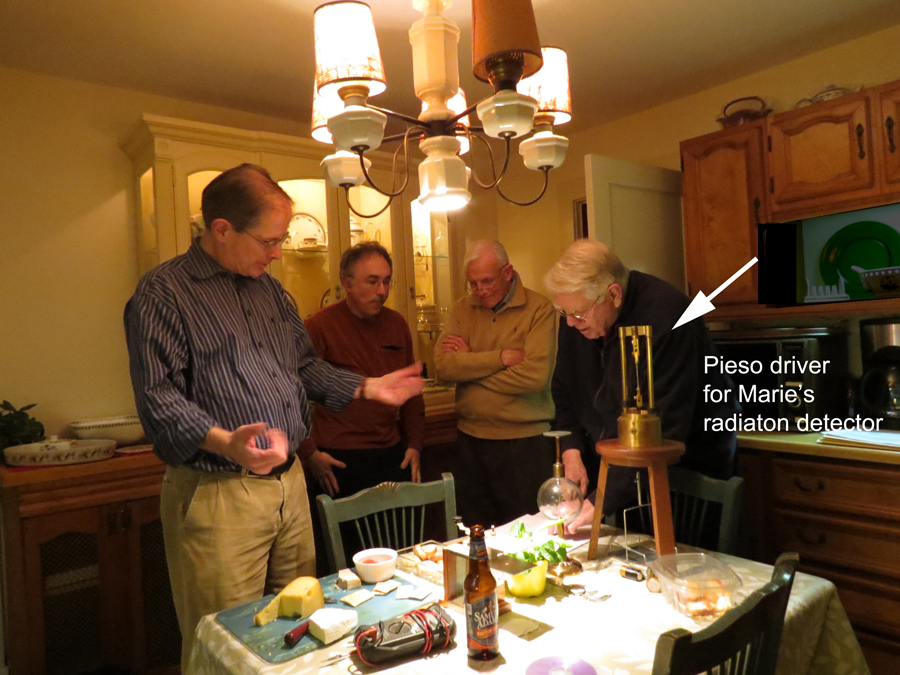
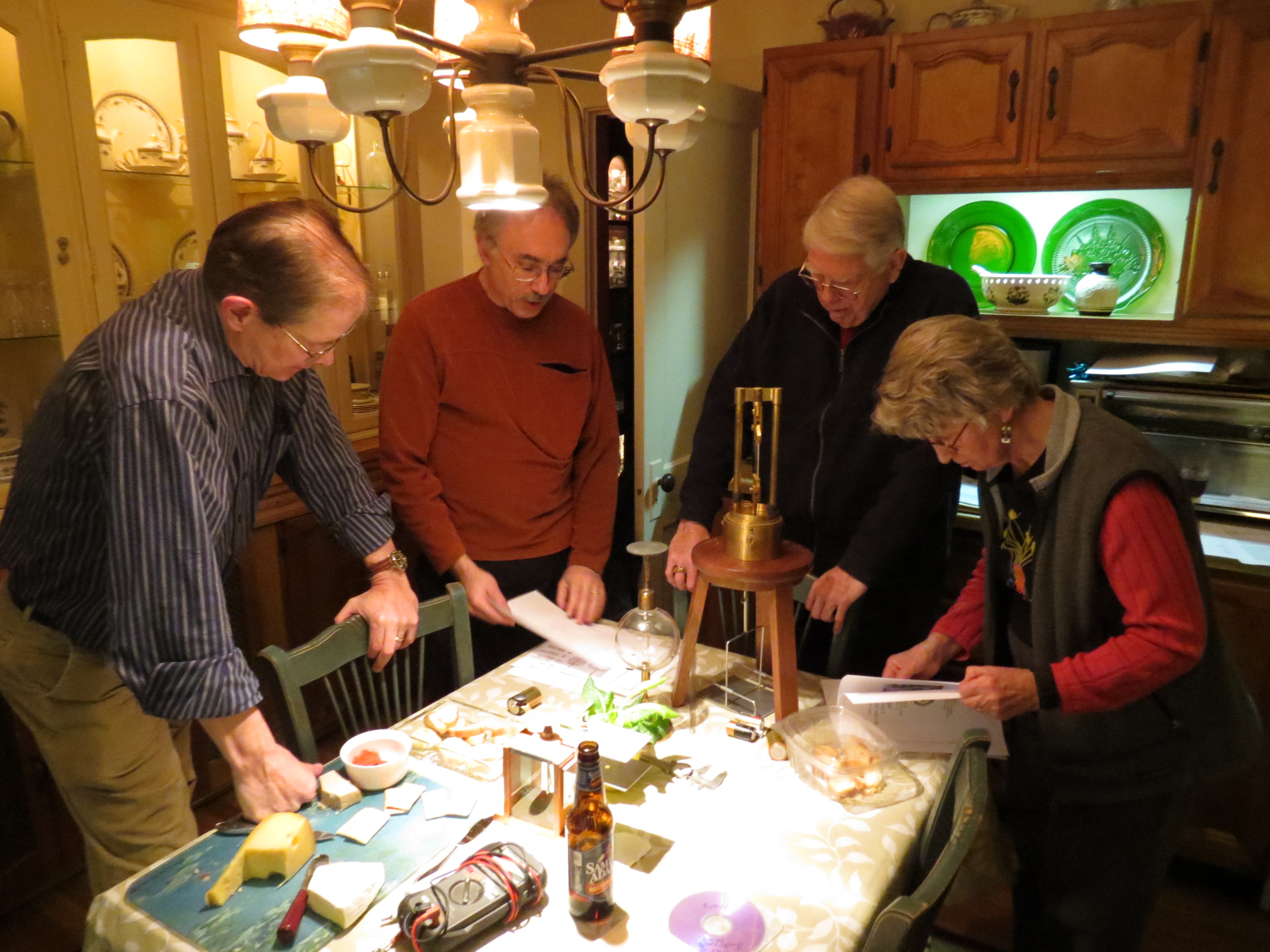
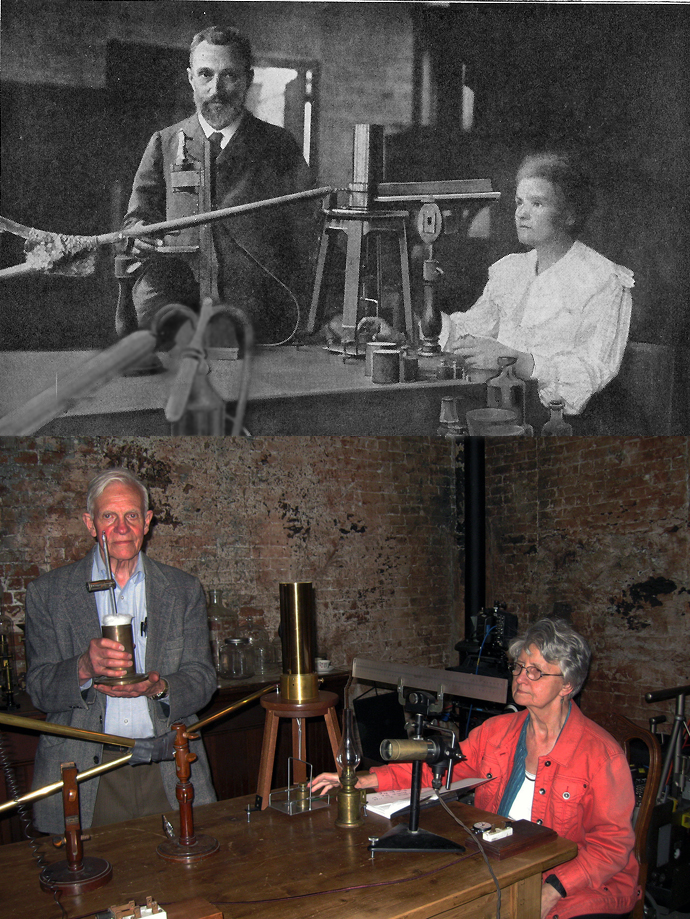
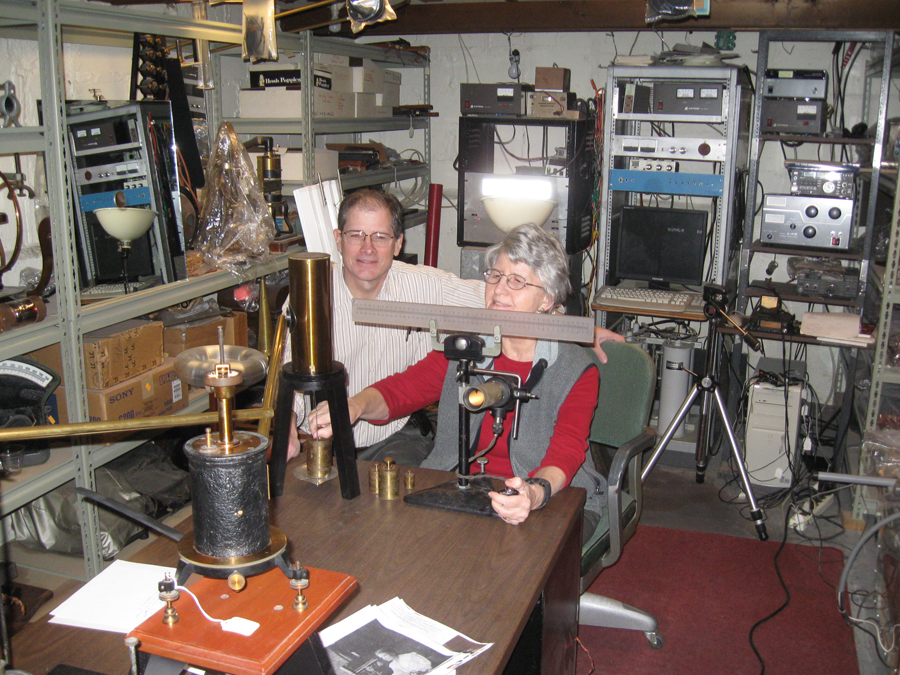
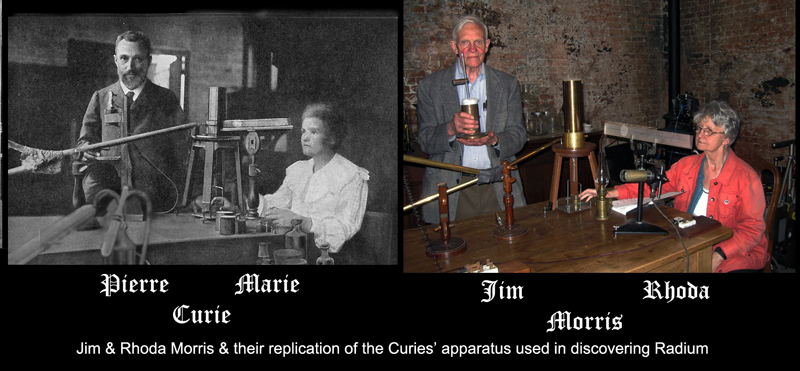
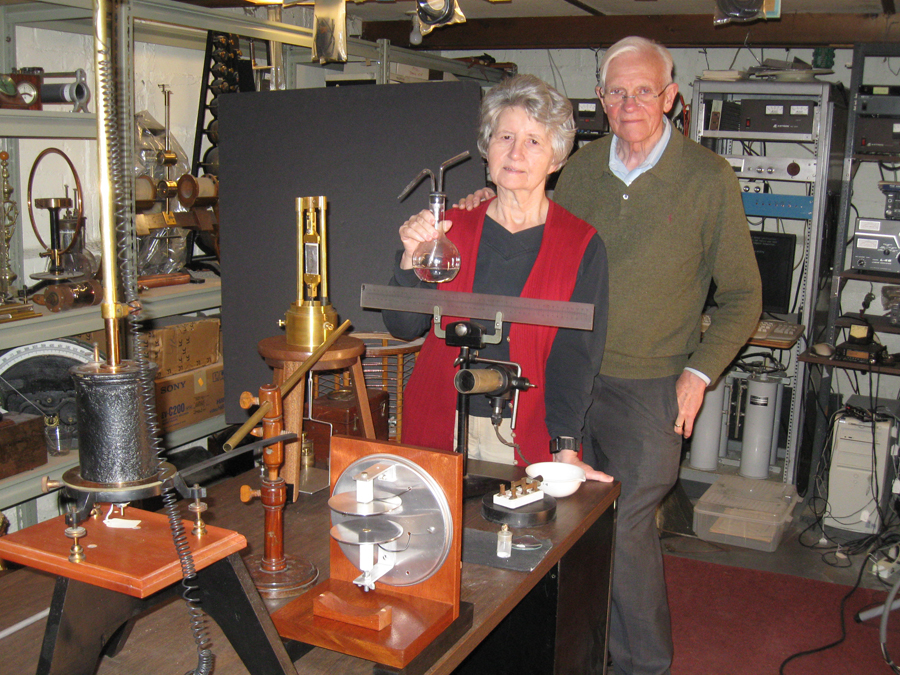
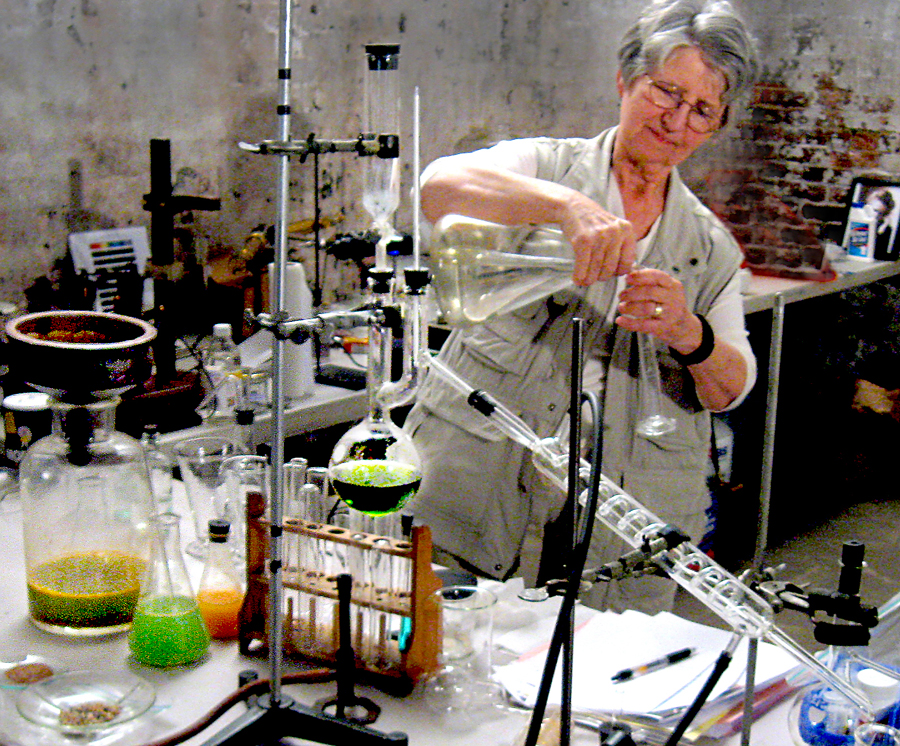
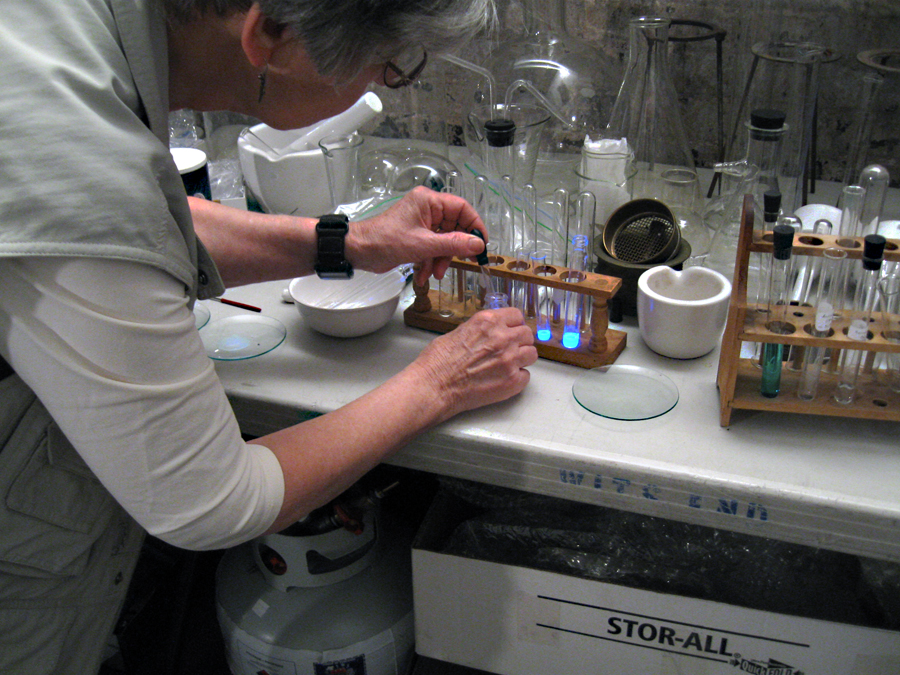
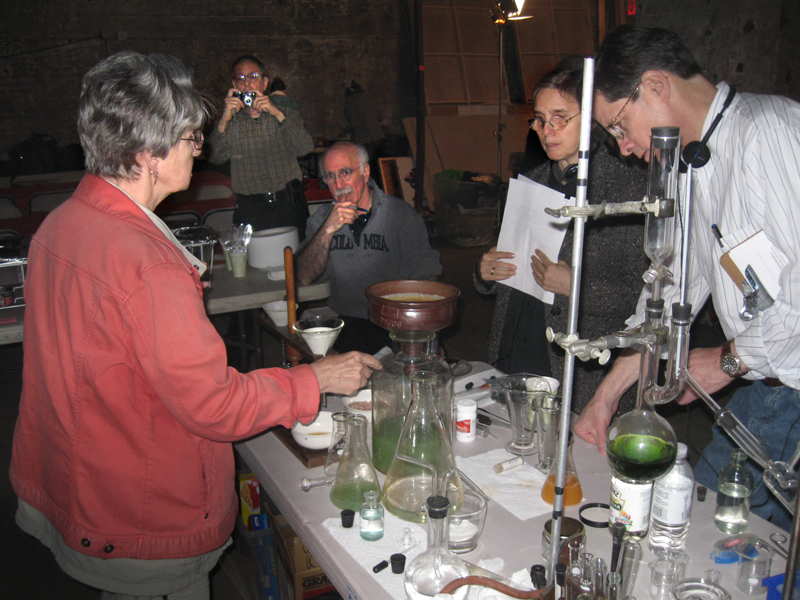
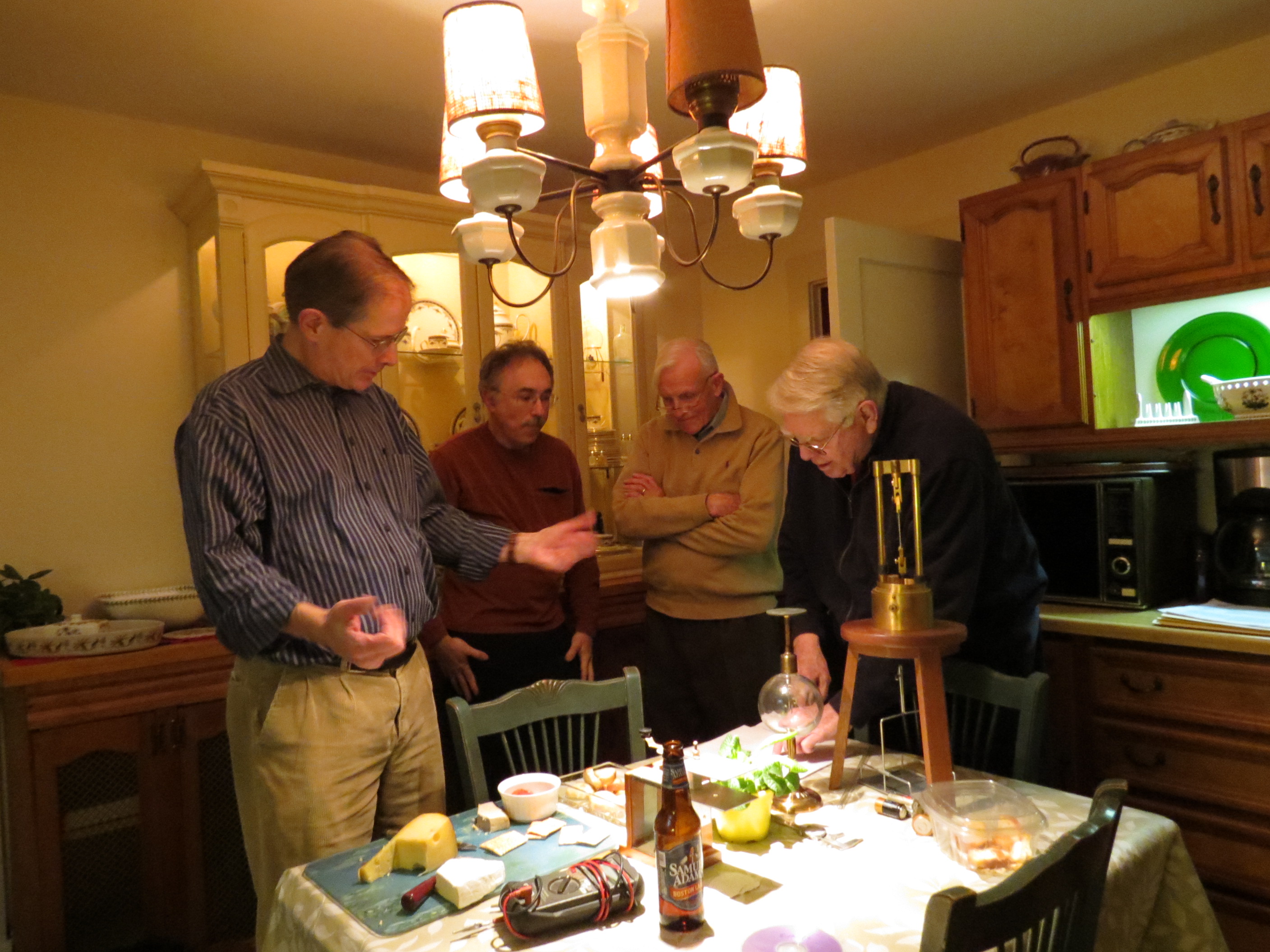
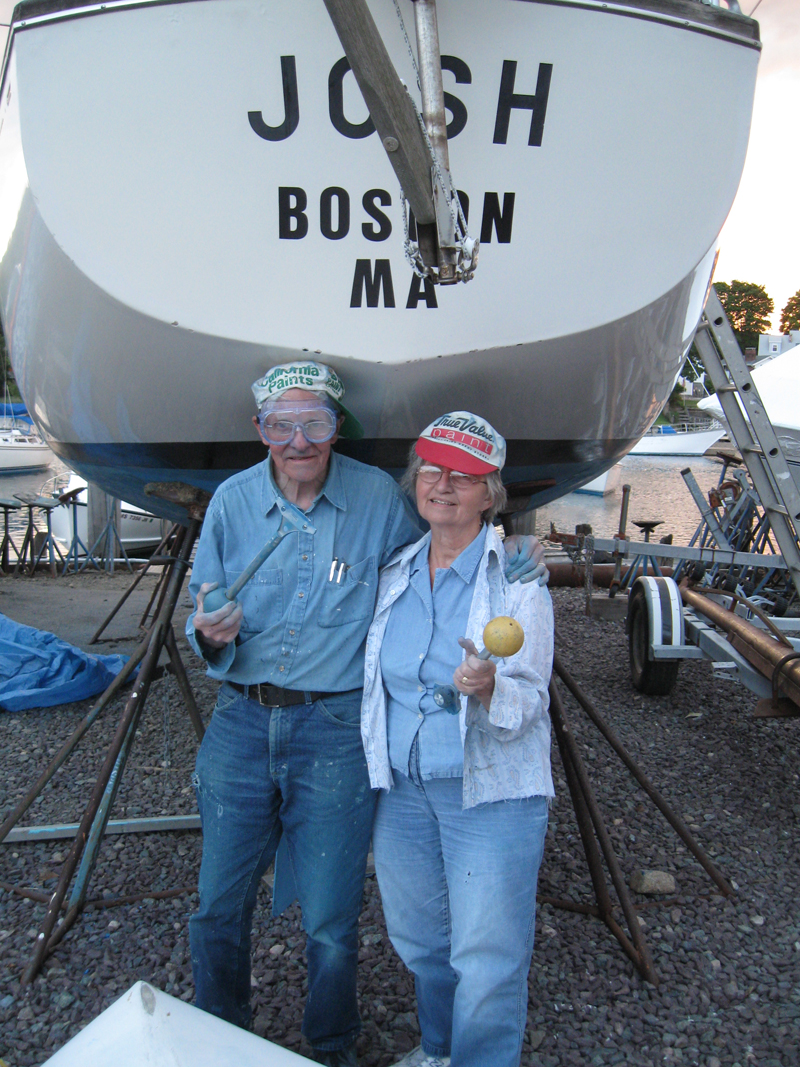
Jim and Rhoda Morris ("Jim" A Physicist, "Rhoda" A Chemist) interviewing Marie under somewhat odd circumstances. http://www.scitechantiques.com/ 781 245 2897 Galileo@comcast.net
(The Authors speaking)
Marie will be presenting the physical steps rather than just the
chemistry to fill out the real story that Marie wants to tell you
so you will understand about how hard your scientist really works for you and
to get it right. The overall outcome of this work will turn your hair
white, showing you what the real dangers are to all of living things because of
this work. So let Marie tell us when the dangers, not the radiation
dangers, started raising their ugly heads after all living things.
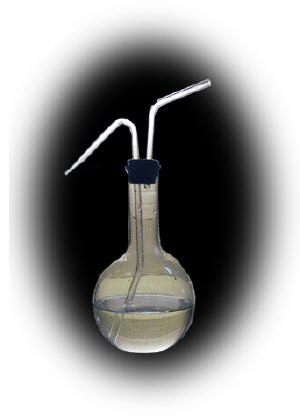
During this time my hand was never far from my friend, my wash bottle - a
humble instrument doing extraordinary important work and at the same time
announcing a warning to the world a very sobering warning to the world.
(Interviewer) Work in progress, more a collection of
notes,This web site is long
making it, a bonanza of insider information. about Marie. It shows all of
the relevant instruments and our working replication of them, her
experiments, quotes from famous scientist it cover a lot of ground, lots of
insider photos.
(Interviewer speaking)
(MARIE speaking)
(Marie)----"Not really, rather I had stumbled on to
a Pandora's box! filled with substances that were killers of
enormous proportion. It also held a miraculous amount energy that
could do enormous amount of inexpensive work. Its was something you
could not see but could kill living things either very very
slowly or vaporize them, and you, in less than few millionths of a
second, something that is the most dangerous discovery to all life
on earth, ever.
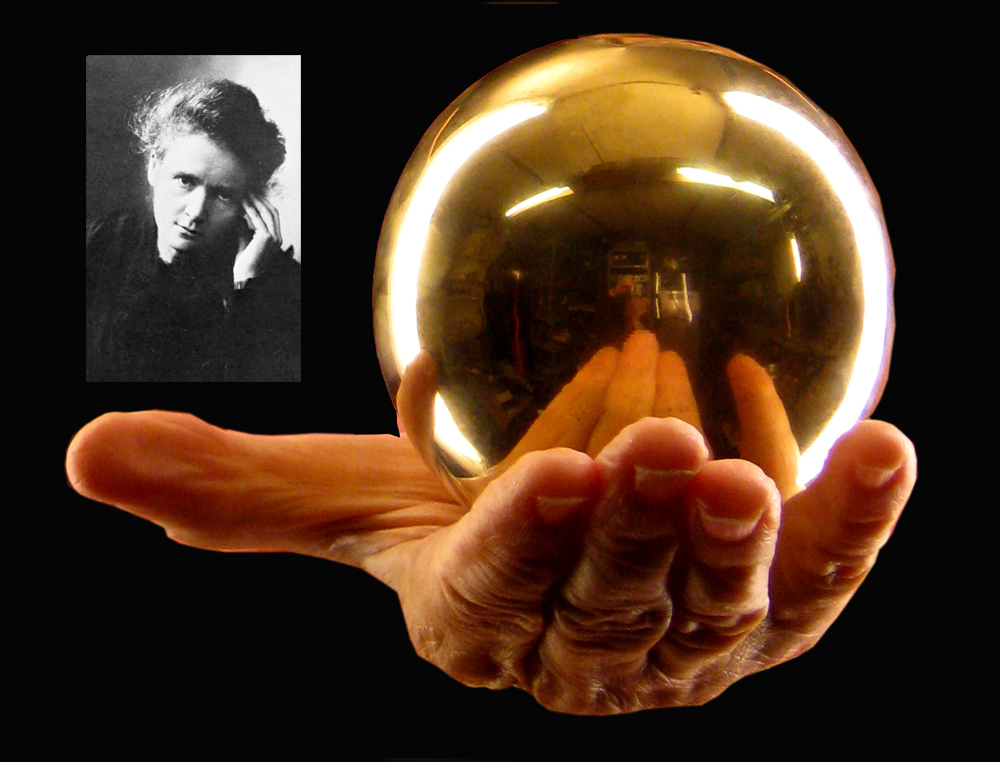
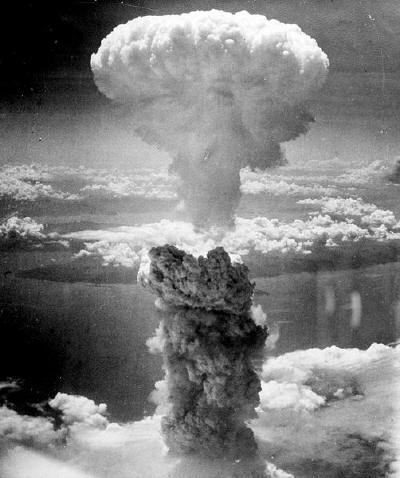
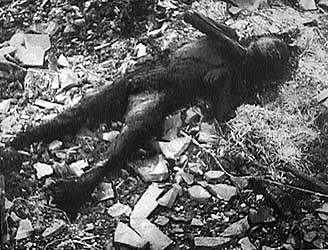
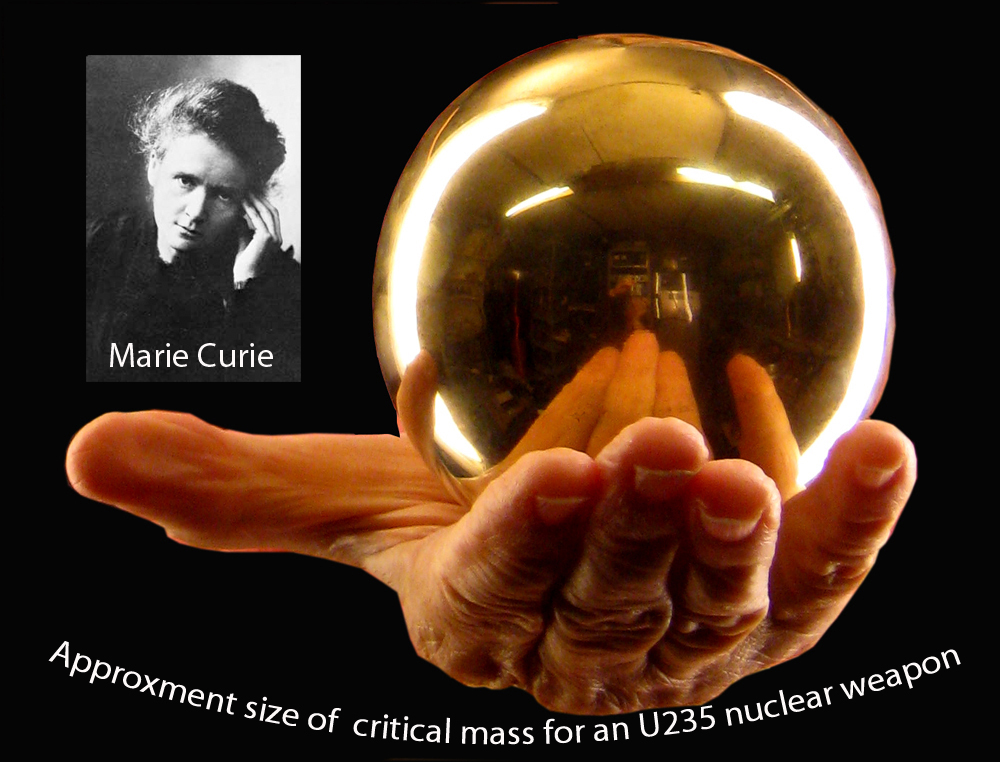
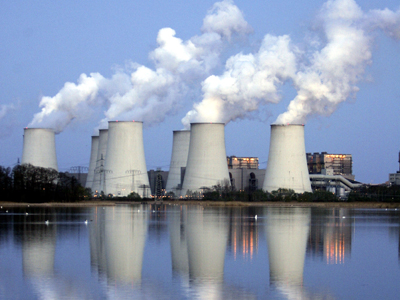
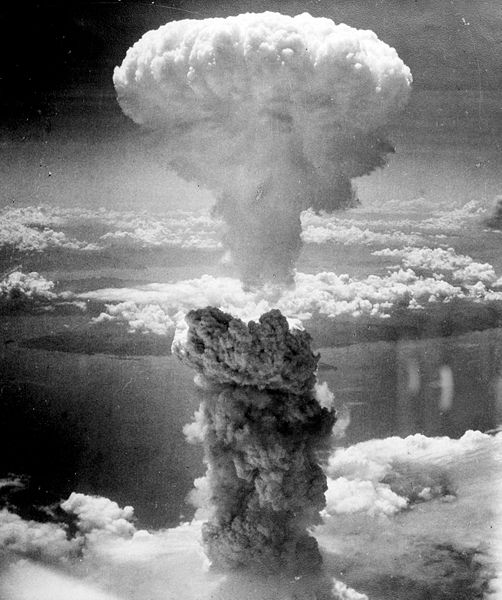
The ultimate product from our work was the atom bomb then the hydrogen bomb. Above is the rough size of a chunk of Uranium 235, other things work also, that would be in a single bomb that could and did + - kill hundreds of thousands of people in fractions of a second, more thousand more, slowly more painfully. I They will fill the sky with dirty radioactive dust that would shut off our sun light to Not very big is it? World powers have built thousand of them with high speed rockets to deliver them., World powers that do not speak the same language or have have same moral philosophies..
It has been recognized, been said, and it is true, not a scare tactic
(Interviewer) Wow! So what are we to do. We here for other important things
that you may have left out? You have left undone that for all practical
purposes would they be classified as secrets, secrets that
needs disclosing because they are so important to us, each of us?
(Marie) "At best what is in our future from my discovery of the enormous energy in the atom? It was one of the seeds for Einstein's famous, simple and elegant, equation e= mc^2 where Einstein calculates that 1 unit of material is really equal to 30,000,000,000,000,000,000 units of energy
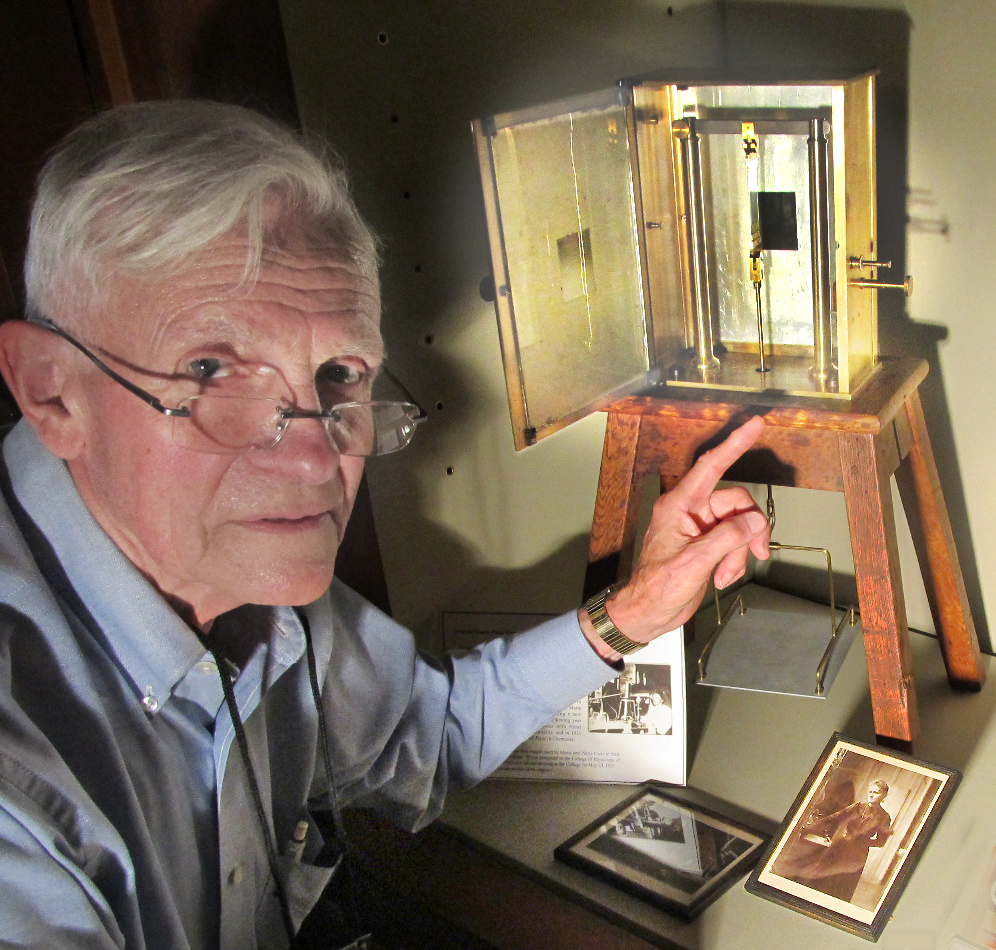
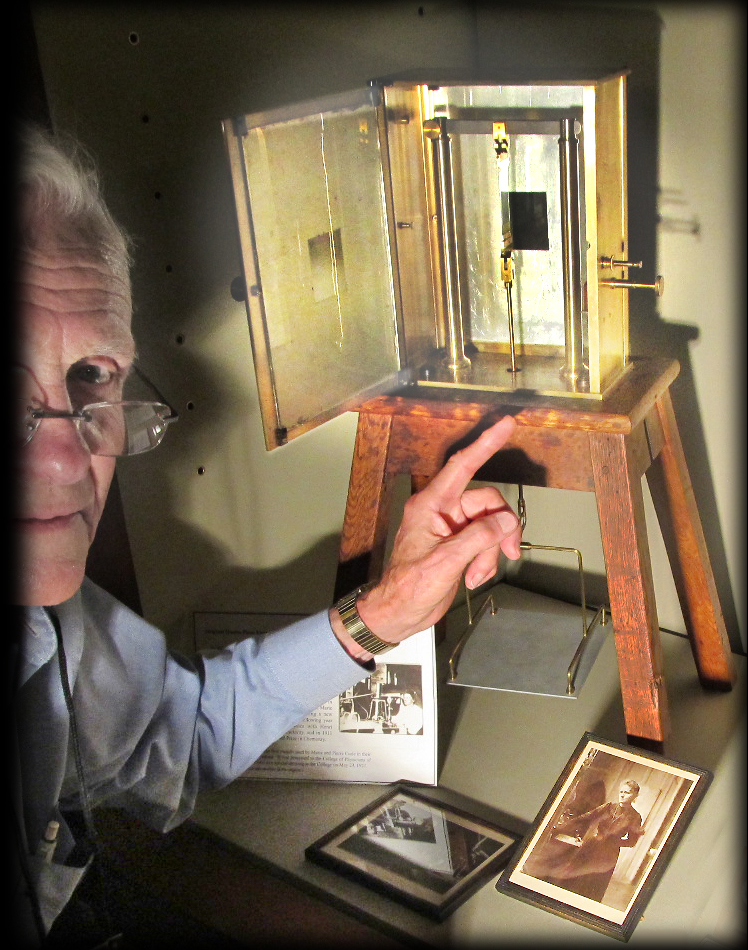
(Jim the Interviewer in the picture below) Marie are there more discoveries in all of your work that you could, should be sharing with us but haven't ? Would they be hidden in your instruments, in your experiments, hidden in how and what you used them for?
Marie did you feel by donating it to America and having it on exhibit others might view it first hand showing a bit of science to help them see how an actual scientific instruments looks like, hoping this might help give one a more comfortable humble feeling about science. Maybe by just seeing it in all of its simplicity. (Marie) " Does it hurt if Pierre's contribution to many fundamental scientific discoveries, including our work over his short life, if we focus on such a small part of it by displaying one of his instrument. an instrument we used in our radium work? It may not be the sole purpose but we all have some short memory issues don't we? If one wants to find a secret in it- why make it noticeable.?" Are these secrets something real, something beyond the seemingly incomprehensible and boring details of some scientific discovery, something your not sharing with us despite the possibility these , ----- secrets may be very important to us so those grandest improvements in our lives could, should be realized, realized for us, to us?
Marie " Secrets?" Please- please share in any way you can, your inner, your inner most secrets, learned thru a successful scientific career but don't seem to be sharing openly with us but should share with us. The ones you have shared successfully with your family, the ones that (some have hinted), you shared while helping to organize, with your colleagues, a special school to enrich your and their special children with these secrets? What about us dear girl,
Marie Curie, née Maria Salomea Skłodowska,? What about us? eh?
Won't you try despite these
possibilities to tell us anyways? What form would,
should, could, it take? There is something going on here that we can't hear but can see in the photos below.
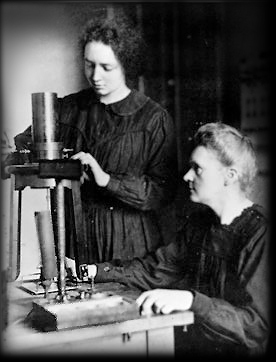
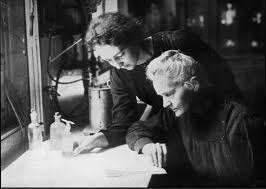
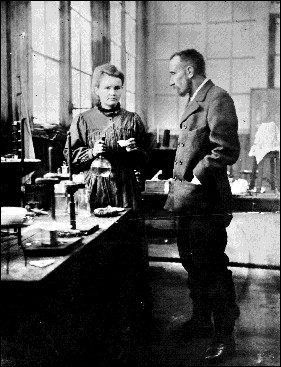
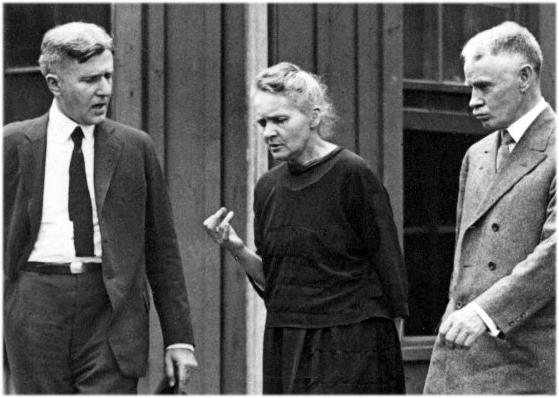
So Irene Curie is in the
laboratory with her mother.
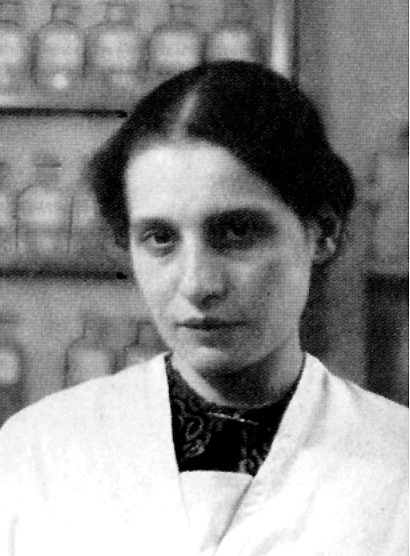
Lise Meitner , another young lady, an Austrian physicist who worked on radioactivity and nuclear physics. Meitner discovered nuclear fission, an achievement which immediately led to the atom bomb. Her colleague Otto Hahn was unfairly awarded the Nobel Prize. It is quite possible that the glare on her face was was not because she did not get the Nobel prize for her discovery but rather they were going to miss use her work. making and using atom bombs.
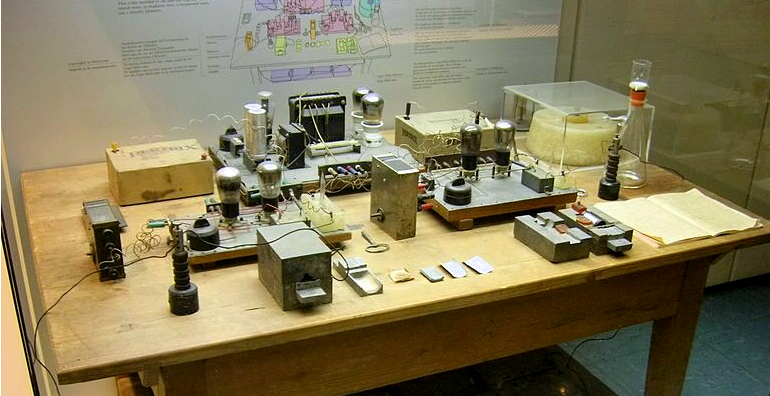
. Meitner's tiny relatively simple tabletop instruments that she used to discover nuclear fission, It is certainly not the big time high energy atom smashing equipment used by the big guys. Rather she up grated to vacuum tube to do the same thing.
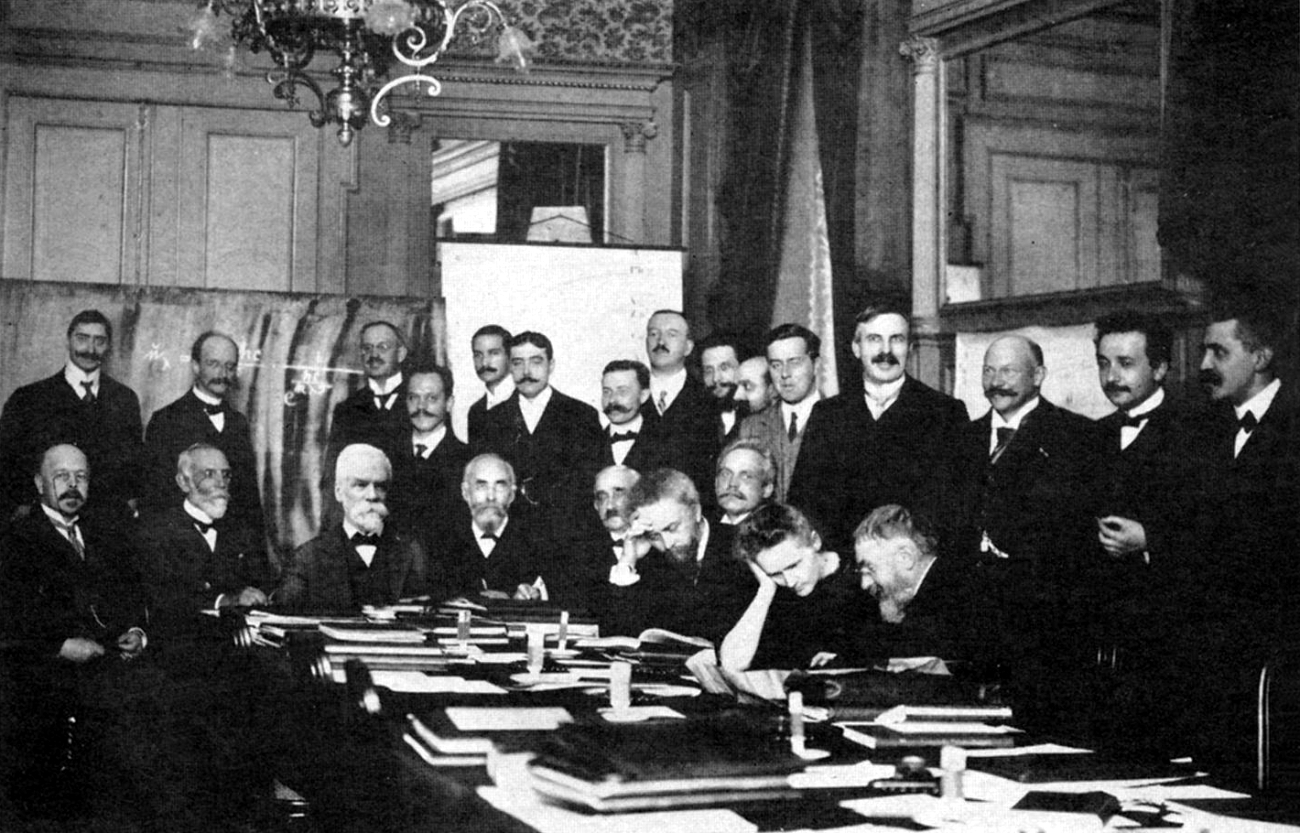
The founding members experimentalist ,
theoretician of the physical scientist club. Each a competitor and
colleague. Here is the exclusive 1911-Solvay Conference on the theory of radiation and quanta:” Who and what are they really planning In the back room to this back room with the sponsors of this work? English: Photograph of participants of the first Solvay Conference, in 1911, Brussels, Belgium. Seated (L-R): Walther Nernst, Marcel Brillouin, Ernest Solvay, Hendrik Lorentz, Emil Warburg, Jean Baptiste Perrin, Wilhelm Wien, Marie Curie, and Henri Poincaré. Standing (L-R):
Robert Goldschmidt,
Max Planck,
Heinrich Rubens,
Arnold Sommerfeld,
Frederick Lindemann,
Maurice de Broglie,
Martin Knudsen,
Friedrich Hasenöhrl,
Georges Hostelet,
Edouard Herzen,
James Hopwood Jeans,
Ernest Rutherford,
Heike Kamerlingh Onnes,
Albert Einstein, and
Paul Langevin.
Question and comment; (not just for Marie but a possible answer from Marie). Remember when you your children drove you and you drove your parents, to exasperation by bombing and being bombed by questions, questions about everything and nothing. The new born baby searching touching and getting into everything everywhere? Why as adults did we, do we seem, to stop searching for the secrets of our personal nature, for Mothers Natures secrets? Do We? Will We? Can't We? Wont We? eh
Care or not this is true by any
standards, of philosophy, because of the laws of
nature, whether good or bad the body, its brain just does it. There is so
much going on just living most every thing our brain does much of it has to be
on auto pilot, including thinking. But thinking and deciding requires lots of
calories, more than most of us have in surplus? hmmmmmmmmm
Certainly Marie's secrets seem to served those enough that it helped them to become famous, helped them toward Nobel prizes? Probably the only scientist most of us would recognize is Einstein in back of Marie. Can you find him? how many more do you recognize, any one else. Hey Marie! What is going on here why aren't we privy to this exclusive club, this partner ship.
to the horizons have been going on for years
and years for Marie's secrets. But !
These days what can any author
or .... any part- time plagiarist..... say about
Marie Curie's personal, scientific or her secret
life that has not already been touched on ....over and over .....
again and again .... thousands and thousands of times. is the
un-said considered to boring for the public, to
obvious to be saleable, a conspiracies remaining
Maries secret?
If the secrets are scientific ones
they will be couched in the language of mathematics, which is
almost a secret code used by the scientist so they for all
practical purposes are hidden, thus can be considered a secret?
Are we really barred from a
direct conversation with the scientists, their discoveries
by a language difference?
Are our translators
which includes the media, the authors, the plagiarist may be
confusing us with their bias, a bias possibliy created by
having them make their living , a living that requires
them to have a sufficient number of readers and listeners to make
this living, listeners that want exciting, interesting
things for their amusement or will go somewhere else to hear
someone else more interesting thus shutting us off from the
factual world, the world spelled out with the dimension of time,
length, mass, Nature's World where nature tells us what we can and
cant do, what we are and what we aren't. who is right who is
wrong................... not necessarily our translators who most
likely have not spent years in the laboratory with the hard won
tools of science learning and practicing the trade of
understanding Nature, good old mother of all of Nature.
Has this created a bias? A bias that if the way of the scientist
is dull he/she is not reported to the public at large. Some of
Marie's work, her biggest far reaching discovery was
anything but exciting, at the moment, for the average folk, but
not other scientists. Yet it turned out quite differently to
the folks at two cities in Japan at the end of WW2.
Besides she also was only a girl. So why talk about her
discovery, about it except to other scientists ? Is this
then effectively a secret? It certainly acts as one. How far
would this dilemma reach into our lives in a
negatively why? Does or could this process exist even now?
All these questions, remarks,
suggestions, seemingly disconnected, just blabbering
nonsense hopefully can be answered but certainly not to everyone's
considered satisfaction. eh. Right?
At best the flood of these words might only to hint at-- or vaguely remind
us (very few of us) that even well before Marie's magnificent time and
continuing today.
Has all of this created the condition that
========================================================
Differences
in sympathies---
where do they come from, not out of thin air. They are not hidden,
-- but out there,-- interesting , -- restricting, comical, --
frustrating, -- at times, wrong more often than one would
like, dangerously wrong, messing up our daily
lives, -- frustrating, --confusing our journey to the "so
called safer- richer - better life",-- Or slipping us
back to a time where we didn't believe in germs. 10 years
earlier we had no useful electricity (none).
Example
There was some worrisome personal
sympathies versus a scientific truth differences that Marie,
the scientist, found with her recommended use's of
radium for public health it ended up being used by business in a
dangerous salt form in mouth washes. (Ouch).
Nature He/She is the biggest guy/gal in
town. Showing off their magnificent heavens her/his
universe where one of its staple ingredients are wee tiny
electrons,
Rearrange a hand full of our electrons and one has or doesn't
have cancer, is fat or skinny. is blind or not, can think or not, think
right or wrong. our opinions What is the probability
that an emotionally derived decision can cost both worlds plenty in the
quality and the safety of all living things. More
That's their job. They get paid to do
it. No, Little, Medium,
Big , Big helpful Secret? eh Who owns the scientist
work? Who can use it. use is it free of charge? Can you buy it? Those paying for a scientist's work,
the sponsor, completely owns, controls every aspect of it, patent, copy
rights, etc.. The scientist cannot share, acknowledge working on
the sponsors project without permission It's the sponsors money, their
time. Marie was well aware of this but apparently did not share, volunteer,
emphasis this as valuable part of the educational aspect of science . Why
would she hide this This absolute process maybe vaguely, or
not so vaguely recognized by most to be true (enough) to give it
credence. This rigorous process maybe one of the stony
secret Marie keeps to herself, from experience, that is she simply gave up
dwelling on it. Contrast The other side of the coin
Even thoughts are beginning to be measured in these terms
the terms of an electronic states measured in the mind.
Question An Example? Some would say differences are
happening in spite of the significant scientific progress made by
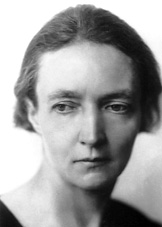
scientists like Marie and her oldest daughter Irène Joliot-Curie, who might
also be privy to those secrets, she looks even more reflective or
sadder than her Mon in the above photo). Even with 3, yes three, Noble prizes
to their combined credit celebrating their pioneering work on the energy in
the atom. Irene's work tipped the scale suggesting that the atomic
energy her mother discovered could be used, re used, miss used as a
weapon of aggression, a weapon of protection, both of interesting
proportions or last but not least not a weapon at all but for the health of
the public in treatment of cancer . Both her mother and Irene worked toward solving the worlds problems using science as a tool''? Simple problems such as understanding the proper use of enormous forces stored in the atom. Some Marie discovered, (with the simplest tools,---her hand and a good head.--- ) Others and later by her daughter, Irène with less simple tools.--- (atomic bullets) and a good head.---. ================================================ Could this, or is it the secret of the ages and one that Marie has not openly shared, almost kept is kept secret.
==================================== our greatest Political leaders,
As softly as possible , --- but very
important all of us ---, Half of us are dumber than the other half which is a
draw back in making the best of decisions, all around Especially
when our leader, leaders is, are very charismatic, robust, but
mistaken eh. Could it become even better, safer, for
most? Does Marie have the secret, a secret of secrets? If there is one it
must be very, very, valuable, but only whispered to the greatest of the great
leaders ? Followers need better hearing aids, better scientific hearing aids?
The world's most dangerous school girl ?
Gross but true "eh" The
joys of the atom !!!!!!?
To search or not to search for
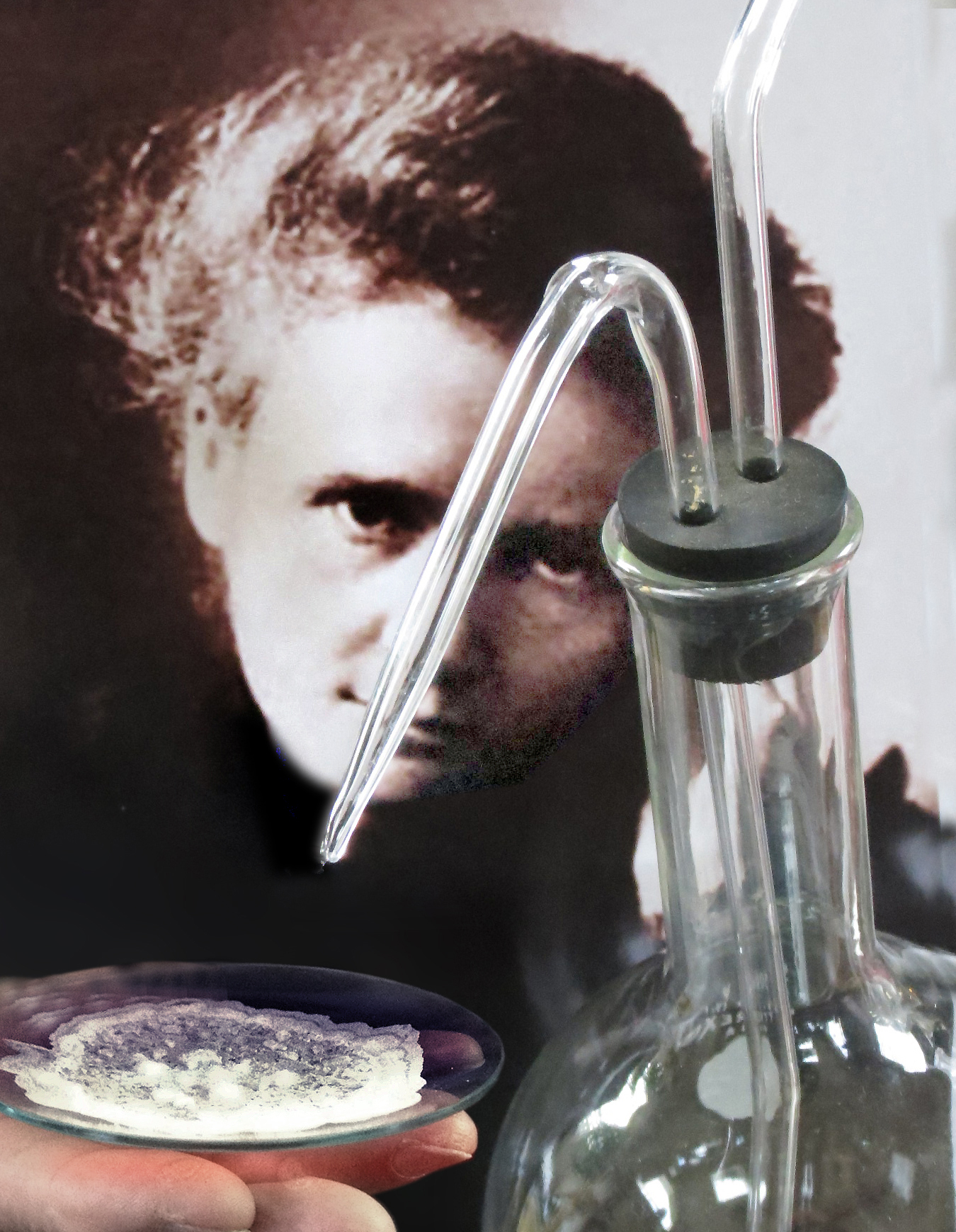
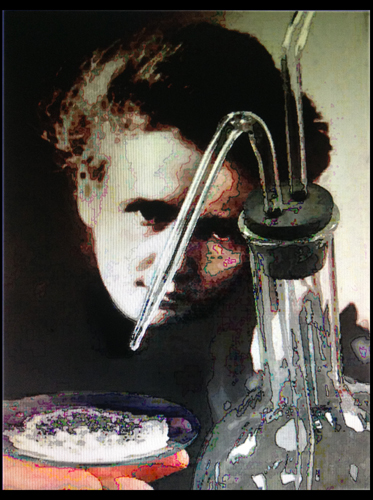
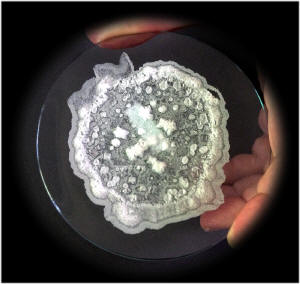
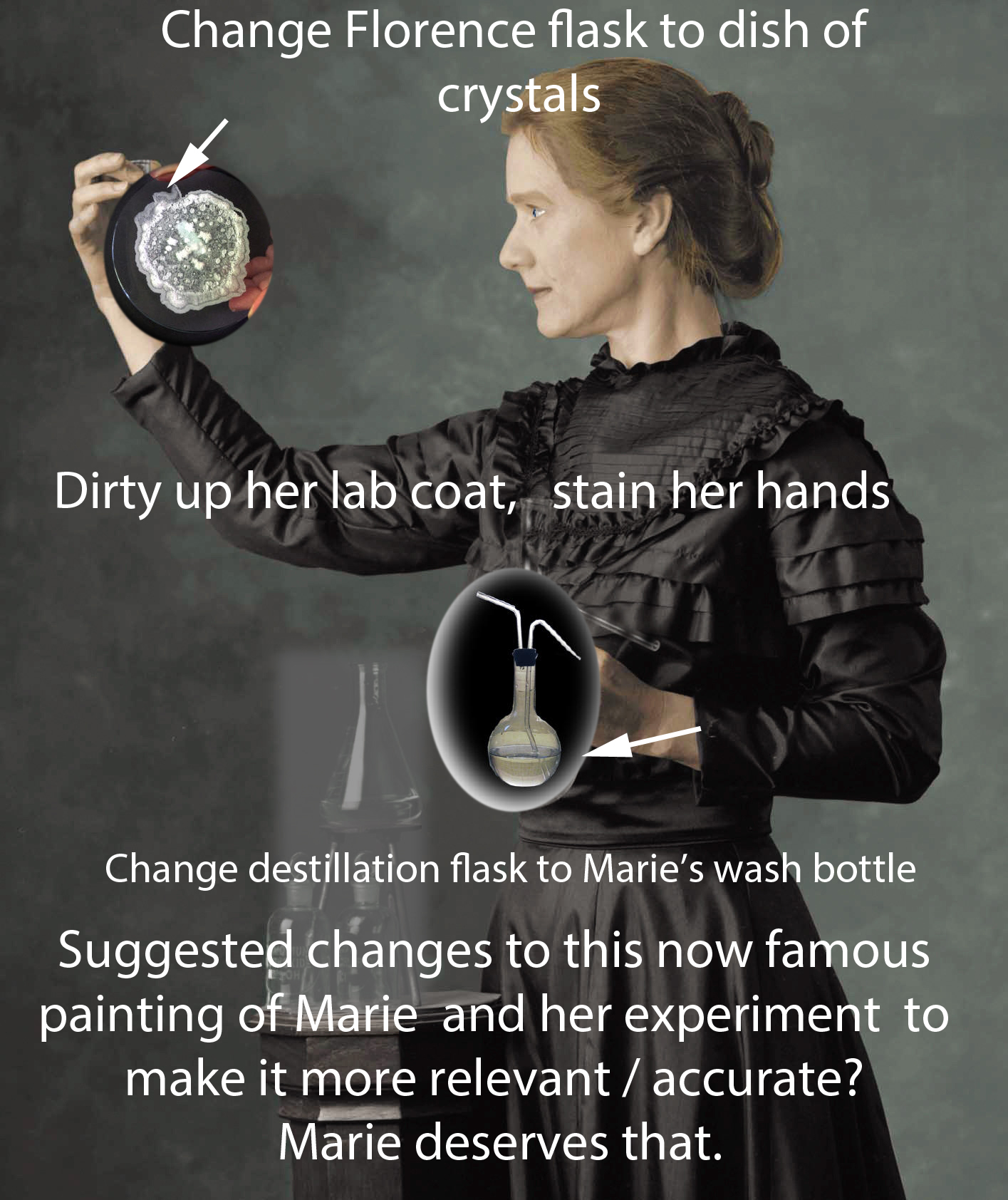
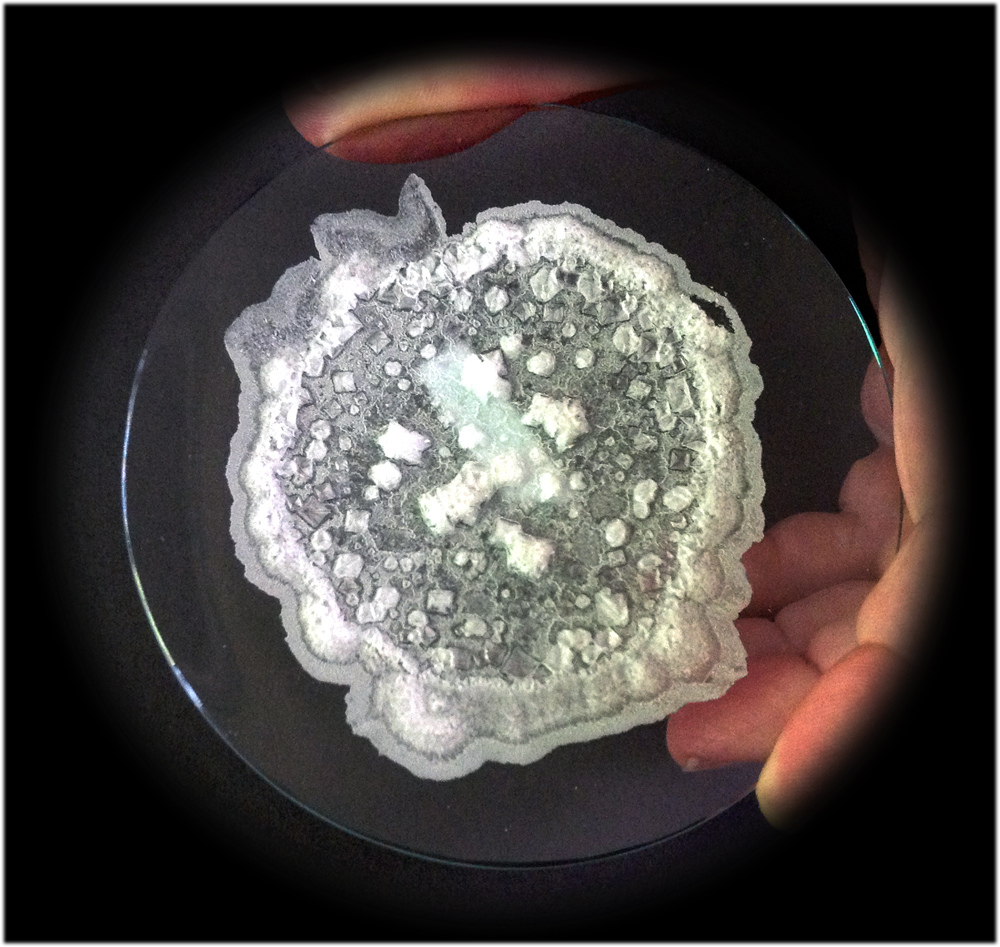
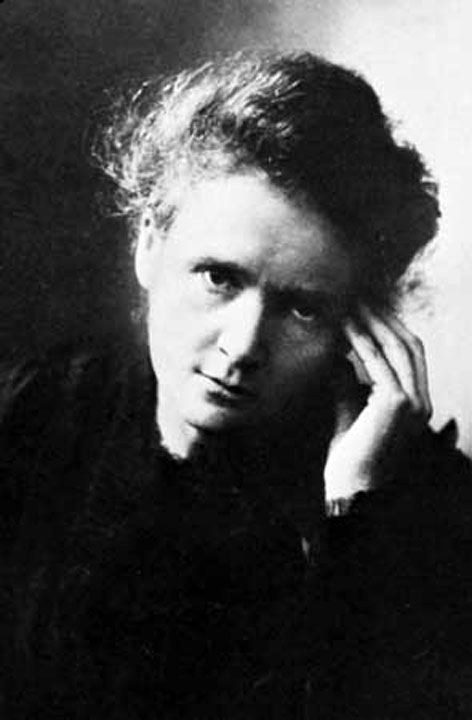
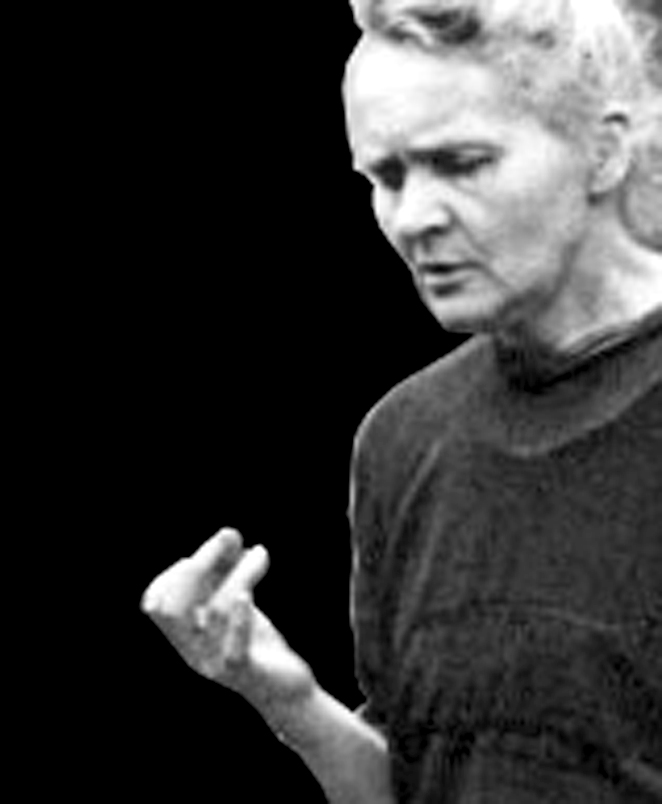
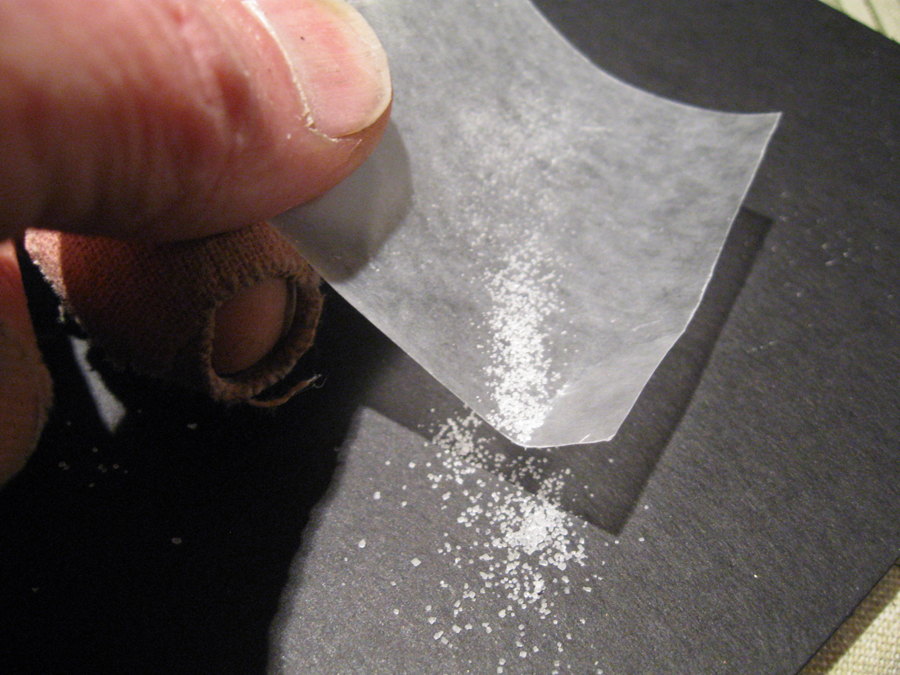
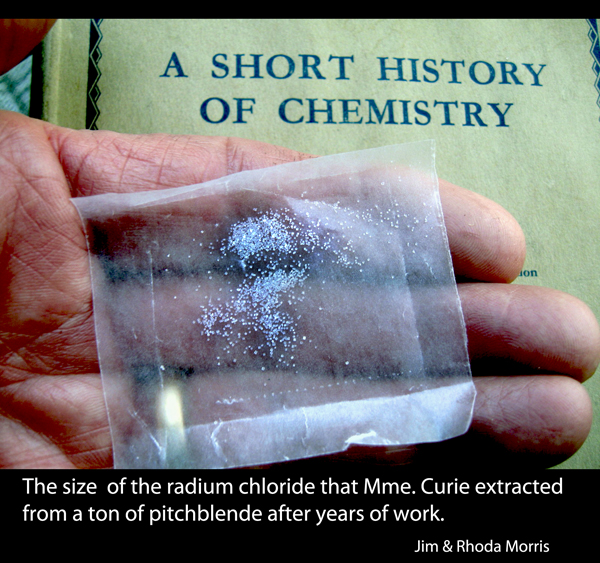
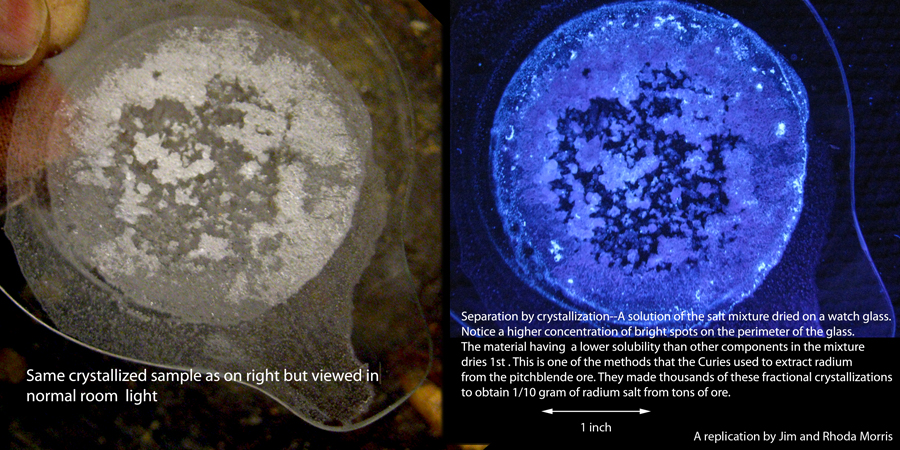
the secret that is the question? is not just a question, but a play on a play of words in Hamlet by Shakespeare. Appropriate in this case? Note the extraordinary introductory photo of Marie's hand. Maries hand, an extraordinary hand, a hand that wont be ignored. Is it a rite. a rite being extended you, in a dish, a simple round bottom dish, a dish containing a garden, a beautiful garden, a garden of magic crystals.
What does it contain that she is holding it so kindly, so gently that
has so changed our world, changed it for ever.
First? beyond all
the writing above about her radium her love life and more and more writing
for the public's pleasure (or the writers profit) what more conceivable
value is Marie or her work to us today? What more can she say or do?
So the Bottom Line? ----- The question arises.-- Why bother with her at all if she wont share her secrets? Is she just history in today's flood gates of scientific discoveries which are wider, drowning her image? Is she still or was she ever a teaching tool, a symbol of hope, a symbol of work hard and even if you're a girl you to can become a champion, a hero? Is that enough? ---- Is that enough just being a hero, a worshiping symbol, a fad, from fad-ing old images and there are so many of them but seldom smiling???
Certainly her name and her work are still making money and reputations for hard working entrepreneurs by using it as an advertising gimmick to attract customers to their web sites, and businesses selling things totally unrelated to Marie or her work this has always has been true. Interpreters riding on Marie's petty coats to sell mouth wash products spiked with radium salts. Radium coated dials for watches etc..
This seems to be
helpful. Maybe she may not be completely dead yet. Yet in the
eyes of some ? But AND JUST BUT is it just barely conceivable that she might just have one more secret, maybe two, that has been lost or overlooked, ignored, or just hidden. Even one secret that could have considerable value if it is shared with us, each of us? A secret that she apparently shared only with her oldest daughter who used it to win a Nobel prize of her own in similar research!
A secret that we can understand ,cheap enough to
be affordable, fast enough to gain the better life. What is it Marie,
what is it? Can we guess? Share with us more clues. Secret; So where is it? What is it ? Can it ever be found ? Is it in her instruments? Her note books in a secret code? Beyond pawing just through words, even technical words?
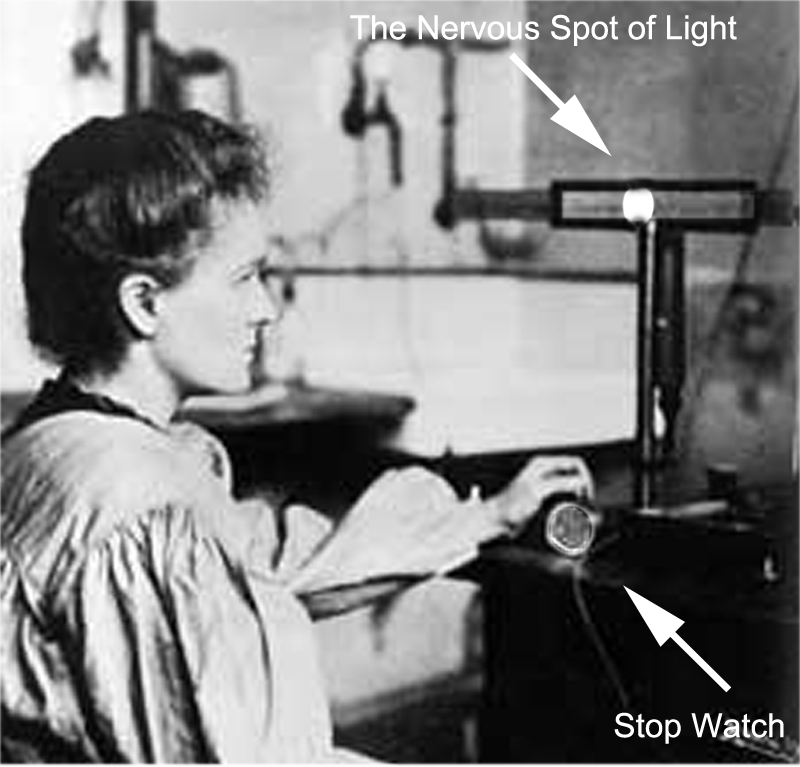
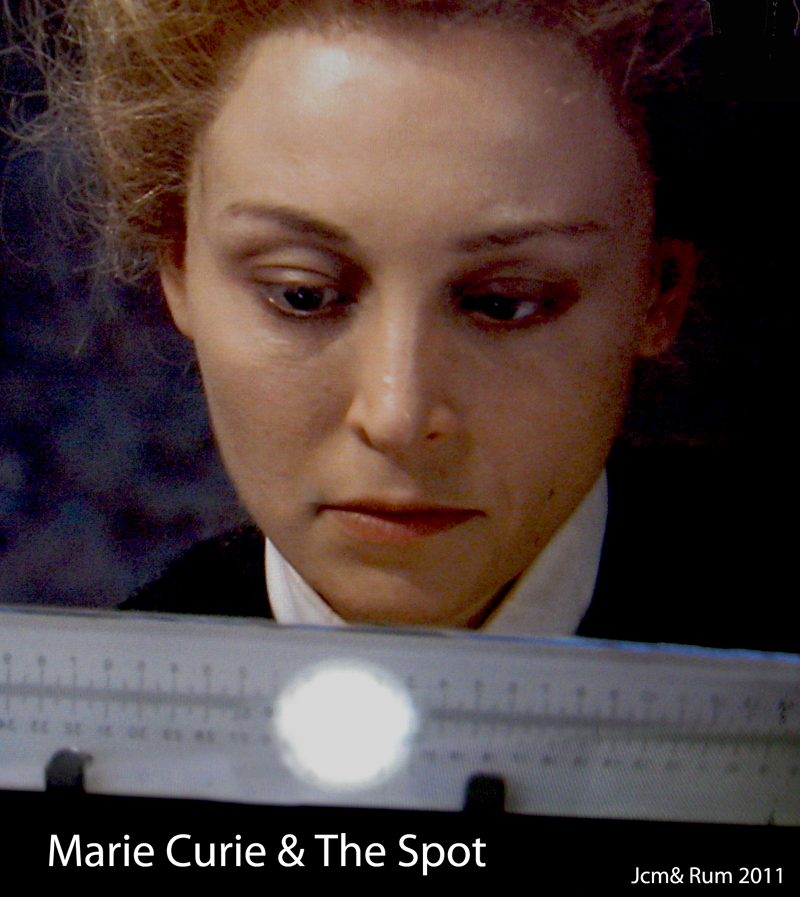
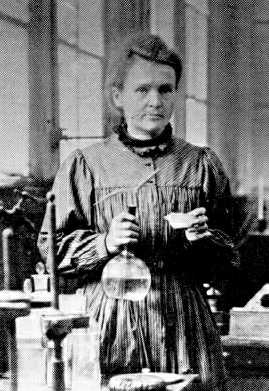
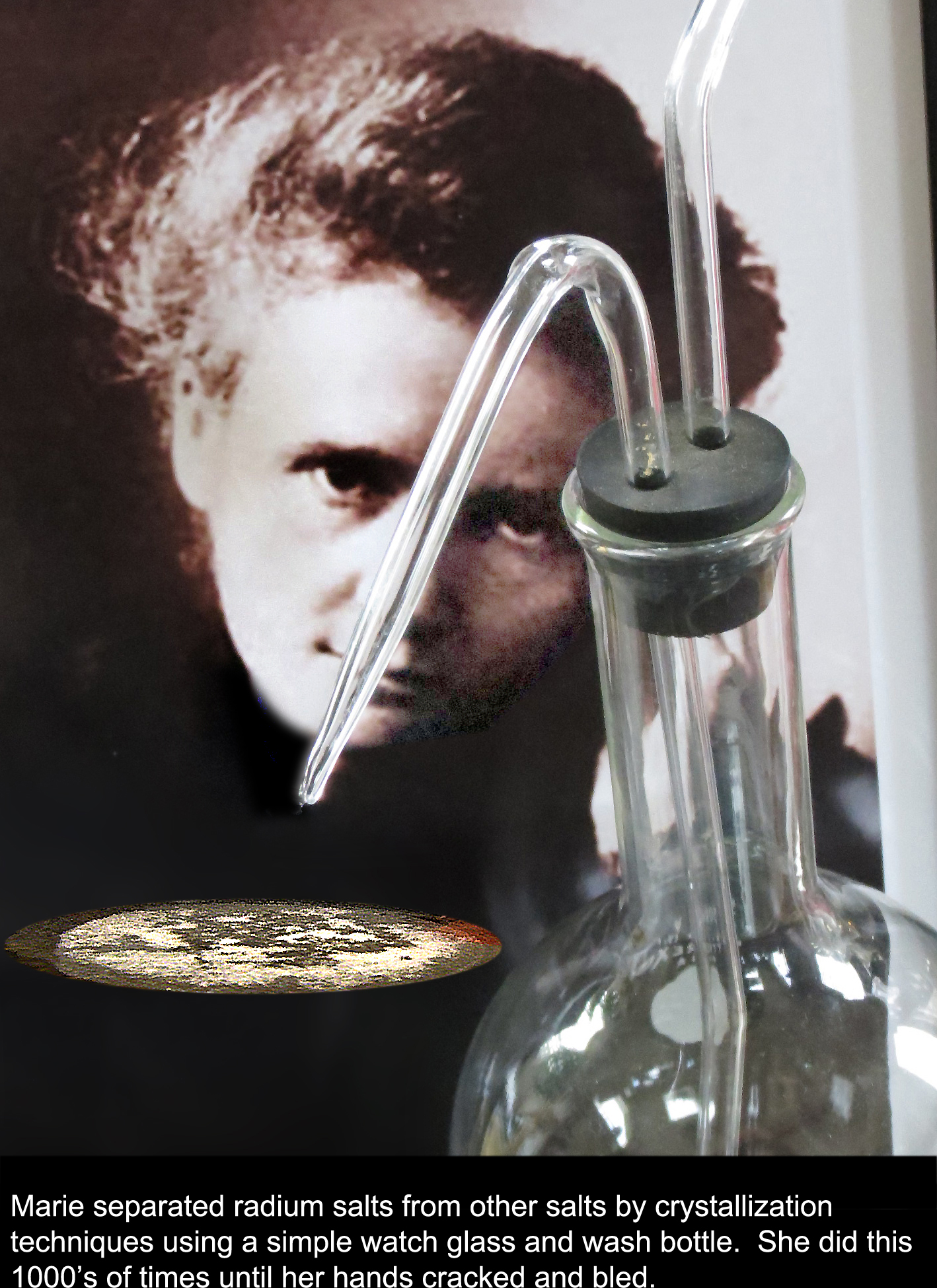
Pictures what about pictures? It is said that a single picture is worth a thousand word. So can we take several pictures to test them to see if one can find the secret? Put on your Sherlock Holmes detective hat pull out your magnifying glass and strap on your safety belt and let's see what one can deduce about her world of science compared to the other world, the one we live in. From the first picture above one might see a seemingly provocative almost sexy young lady and her super simple scientific equipment, a couple pieces of glass.
First let us set
the stage for this top picture. Which includes some of her instrument. -----This young woman, Marie Curie, née
Maria Salomea Skłodowska, is in her laboratory --- apparently looking at
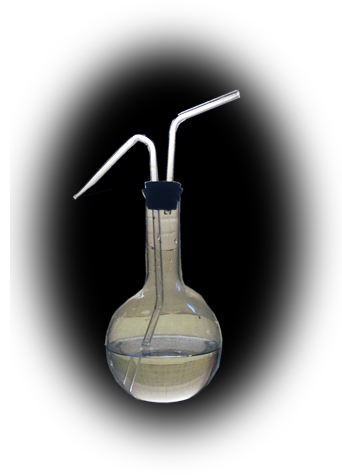
the spout of her seemly mundane, unheralded, but indispensable scientific
instrument, her wash bottle.
Second; Note Marie's
samples were contained in simple round bottom stile watch glasses or
porcelain dishes similar to the one she is holding in her left hand the right
holds the simple wash bottle while she is separating the good from the
unwanted chemicals with a simple stream of water. She used hundreds of these
during her almost 3year search and purification project for radioactive
chemicals. Her liquid samples in the dishes transformed themselves by
evaporation of a liquid into gardens, of crystals
On the other hand the beautiful painting on the left, (a posed painting yes). But the artist or who ever ask it be done didn't get the simplest, the most important parts right or was some one trying to make Marie a fool in the chemistry world? Most of the bottles appear empty the one she is holding up with her right hand looks to have copper sulfate in it an unlikely ingredient for her to be concentrating so intensely on.
Then so what then hmmmmmm ----------------------------------------------------------------------------- With a bit of patience's lets
look a little bit more into her simple equipment her simple methods
used for her far reaching discoveries of the enormous energy stored in
the atom but most of all a way of life, a way to form an important
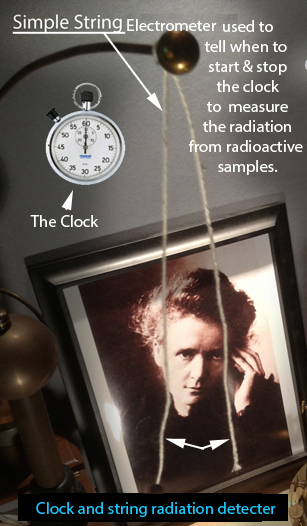
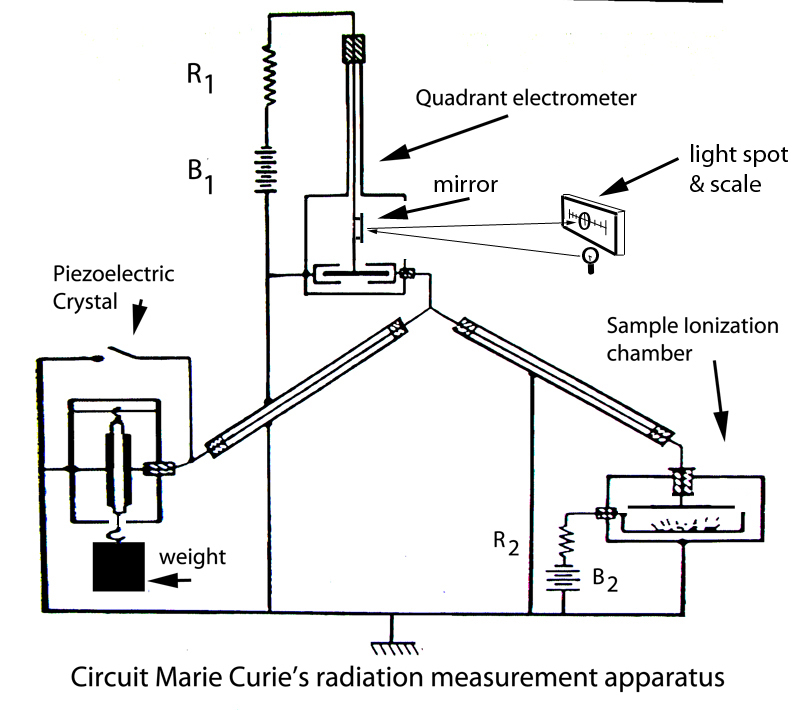
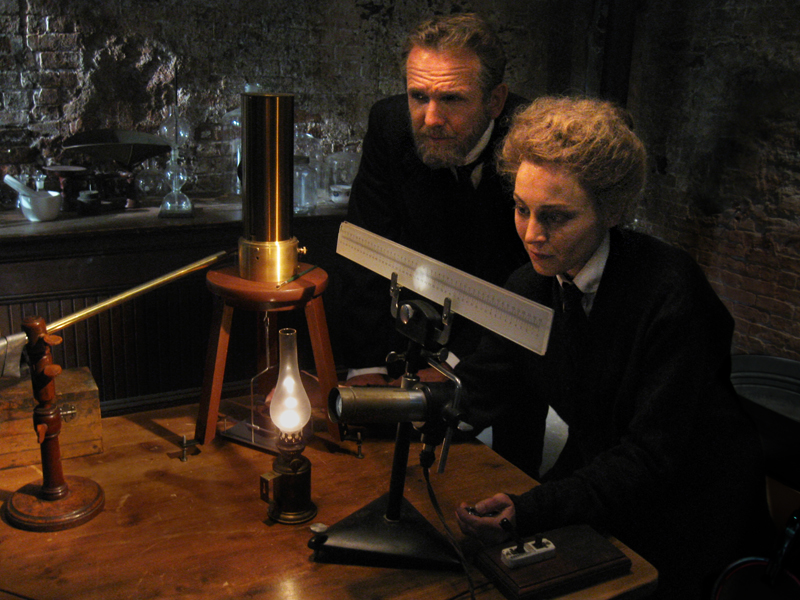
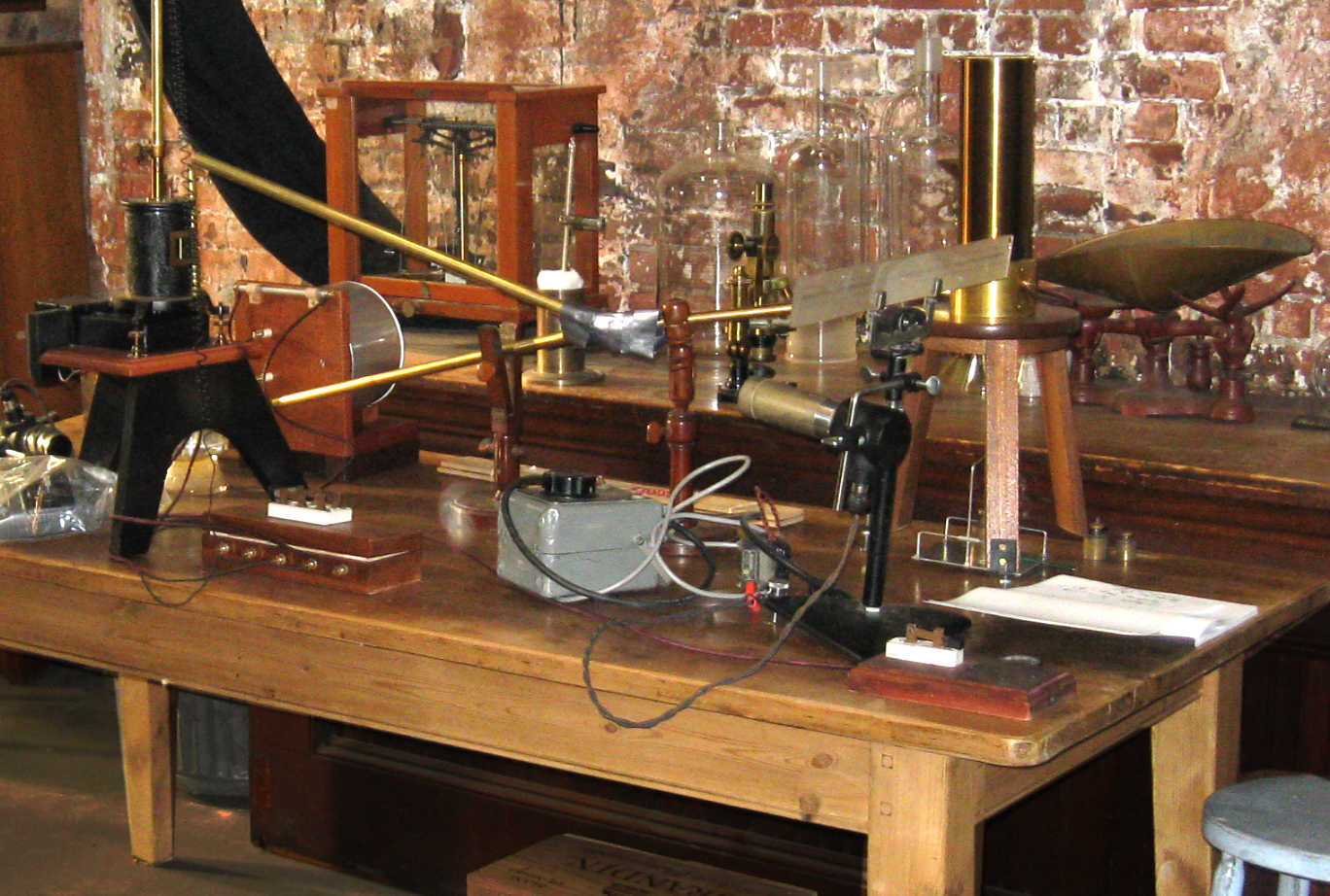
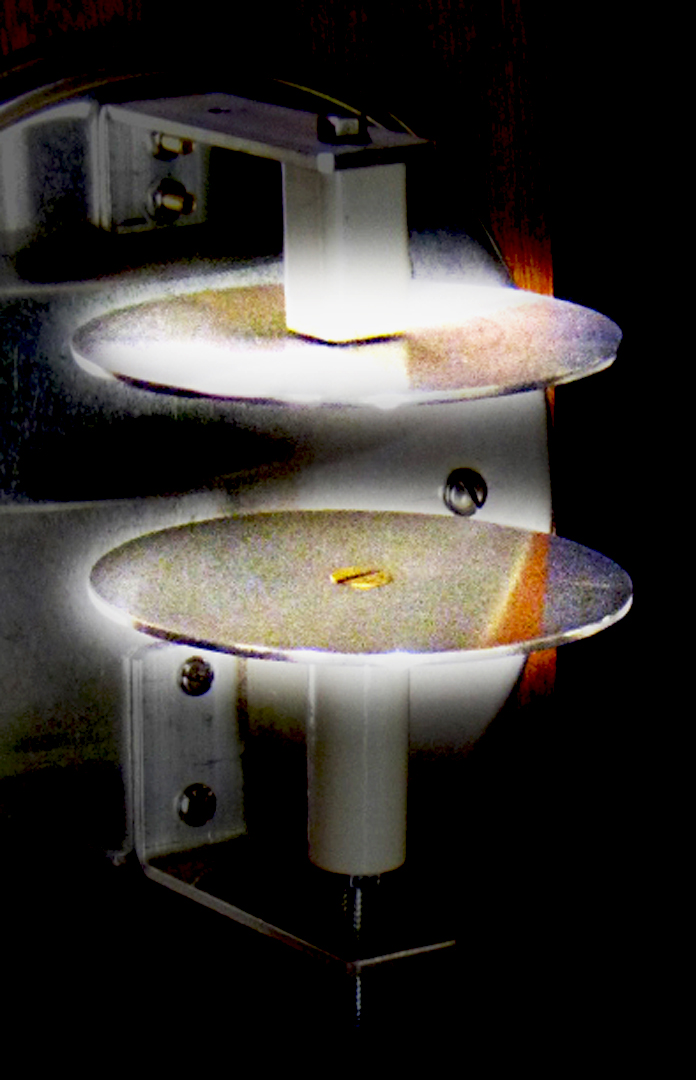
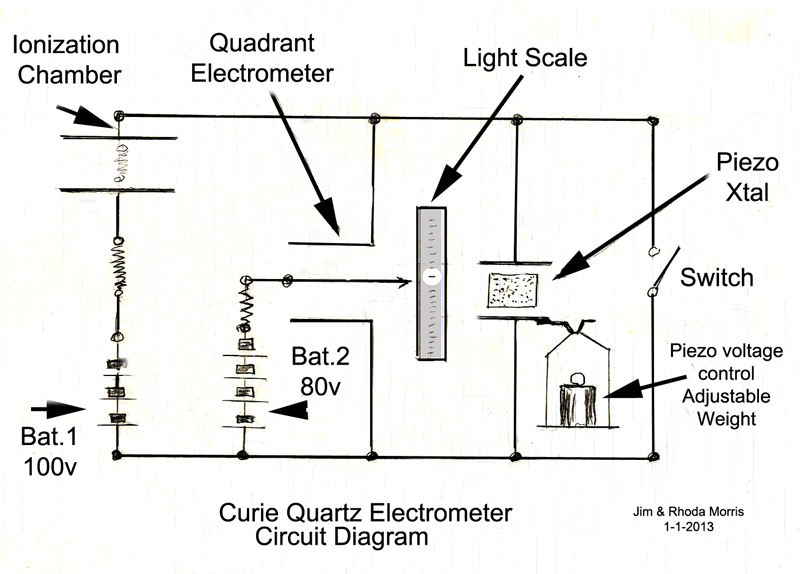
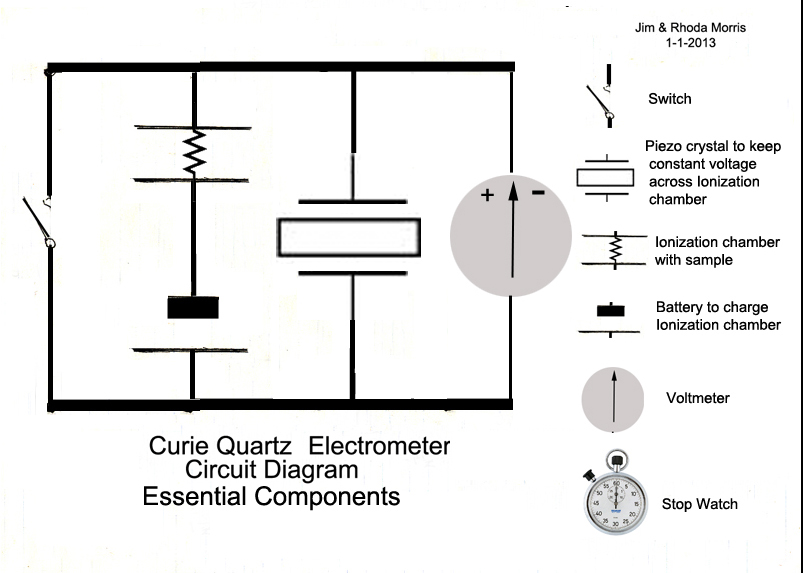
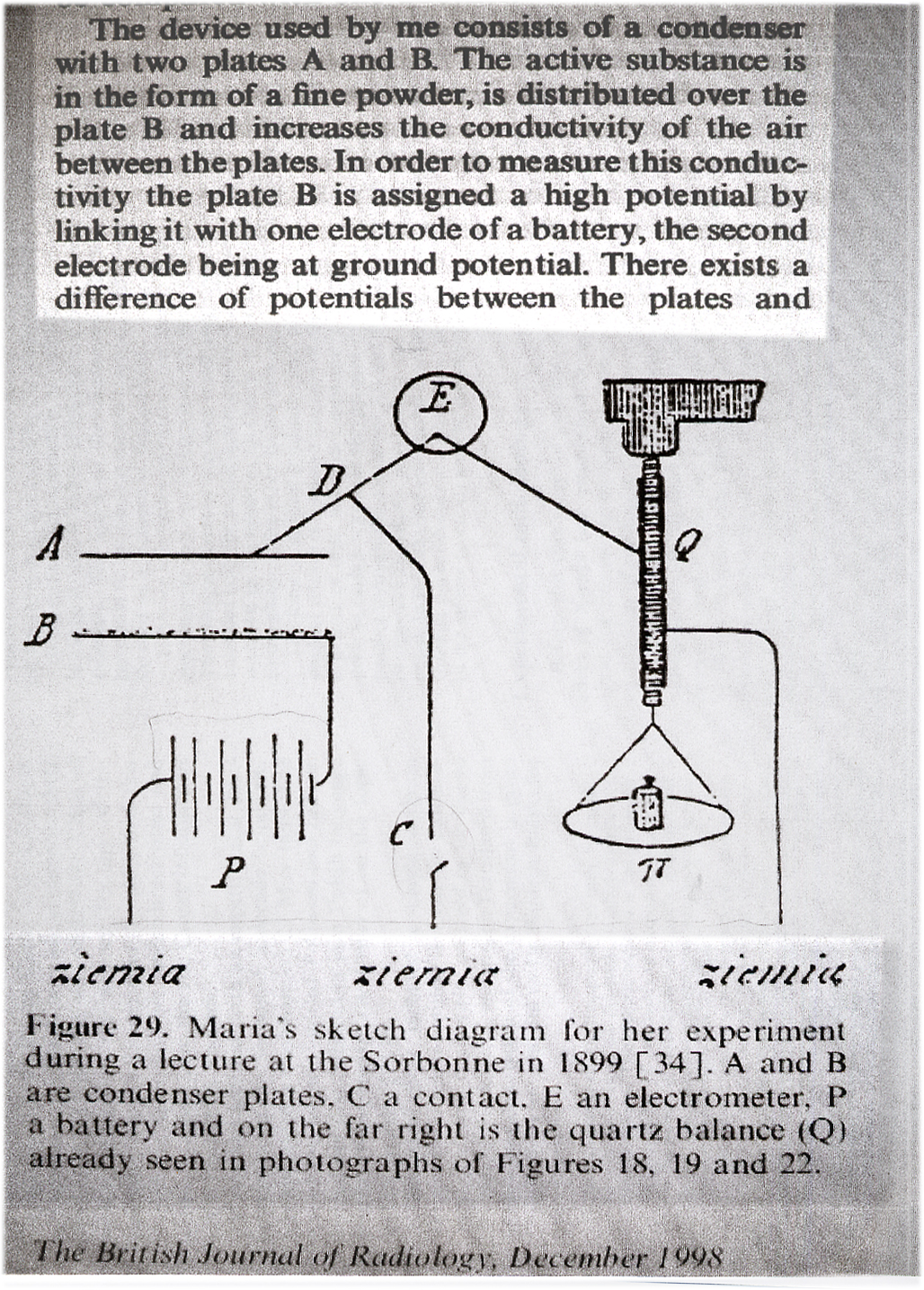
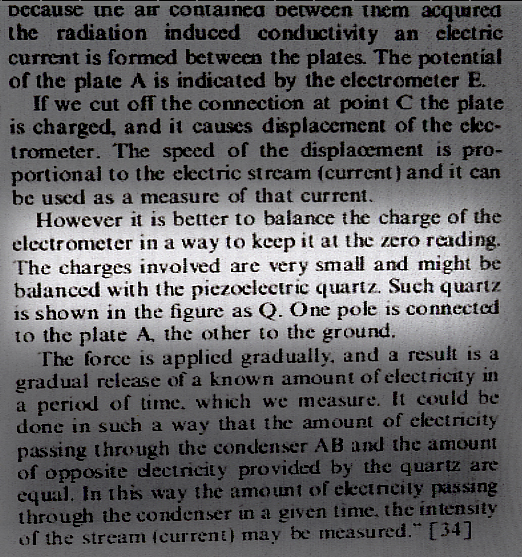
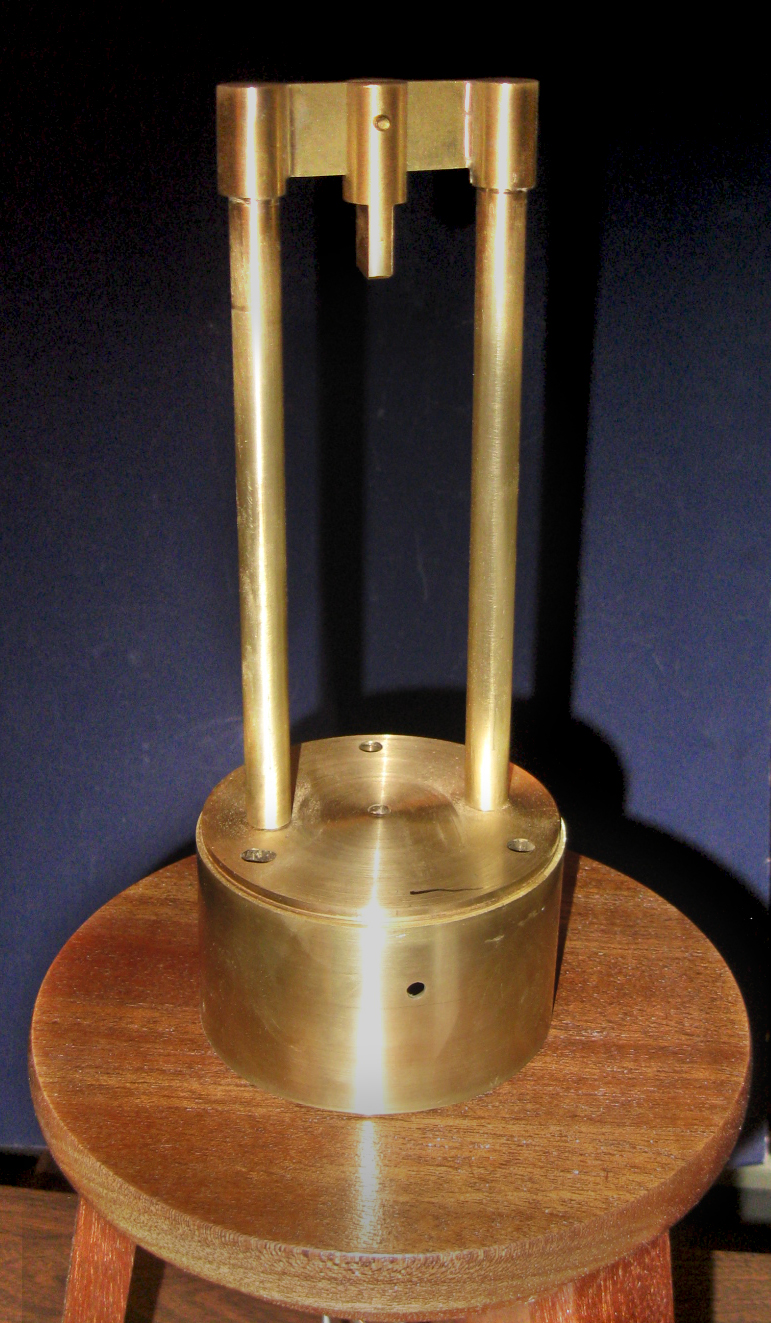
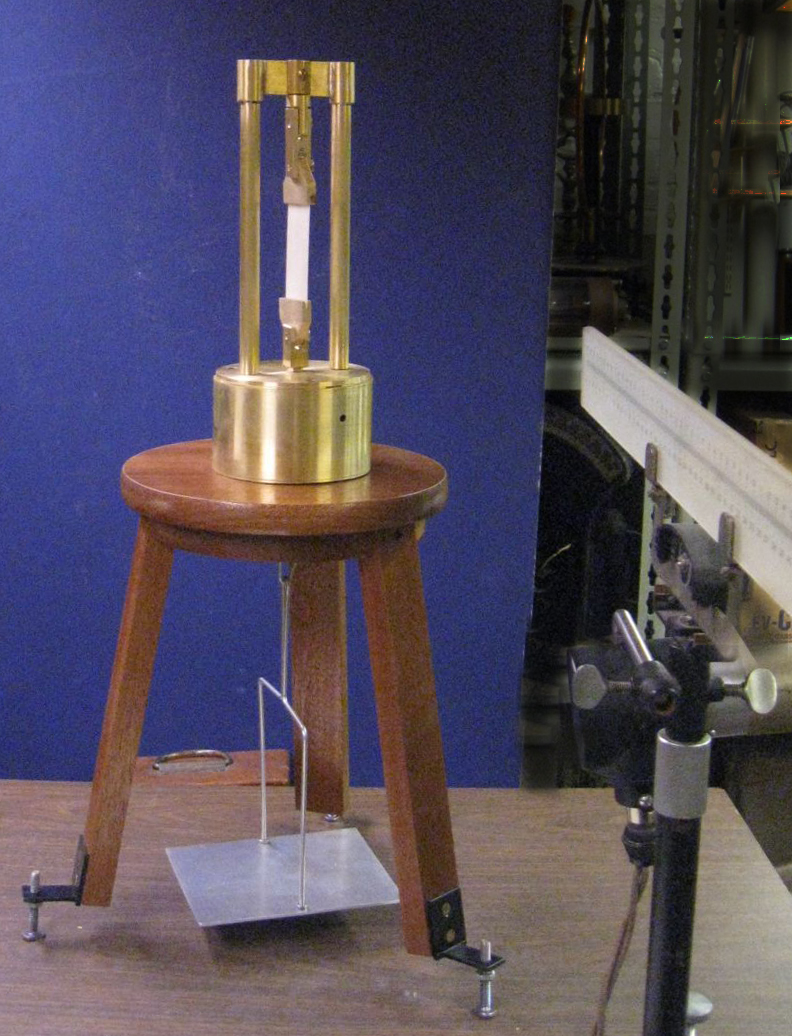
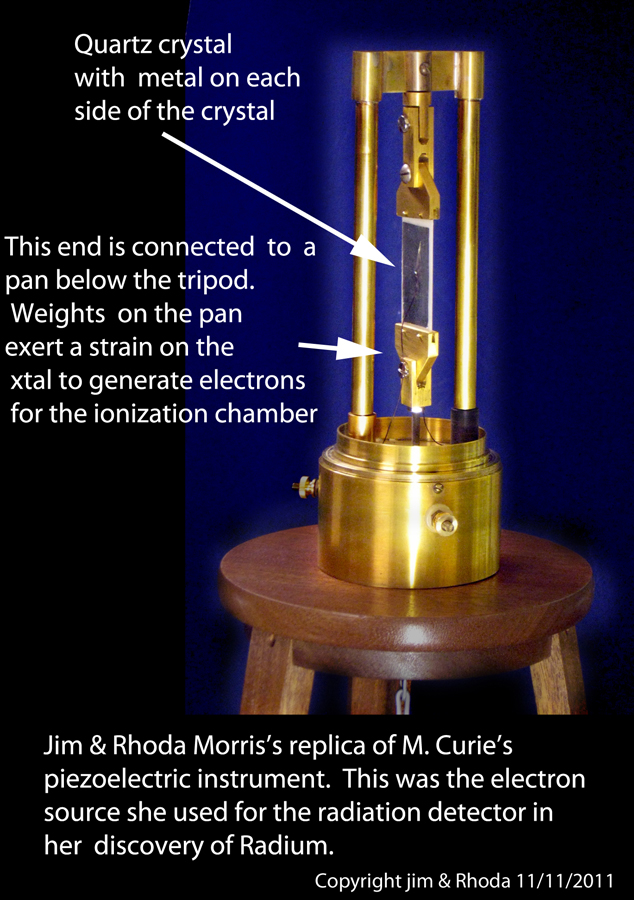
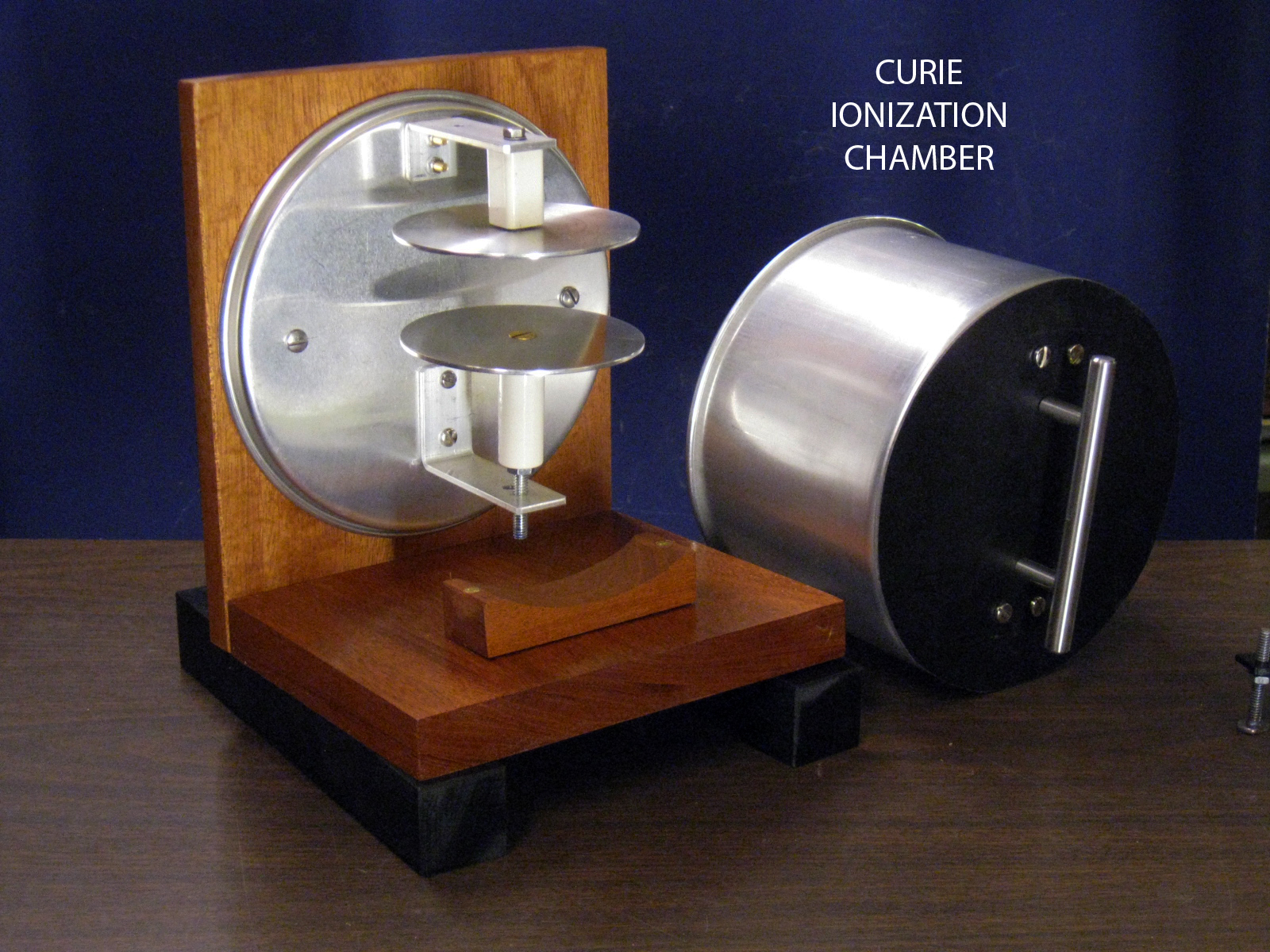
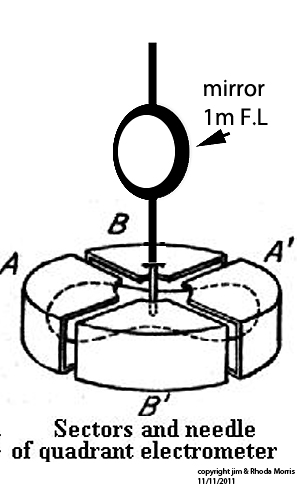
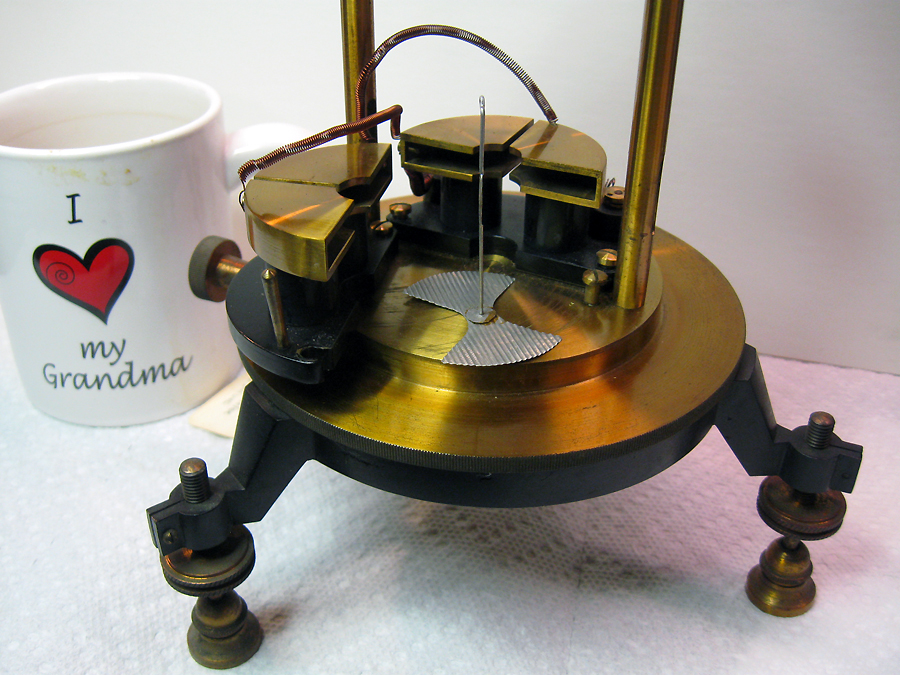
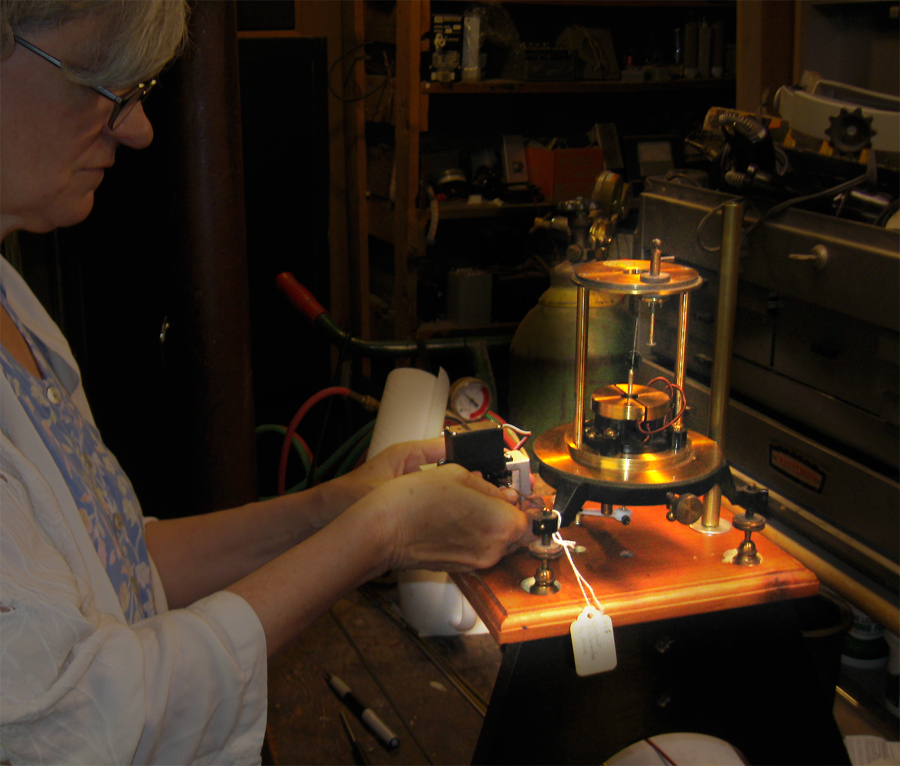
opinion for about scientific discoveries there was her radiation detector based on the simplest concept that radiation made air conduct electricity the more the radiation the more the conduction of electricity. She measured how well it did this for the air surrounding her garden (sample) by simply noting the time it took for a specific charge of electrons to pass between two metal plates which were sandwiching the radioactive garden (sample). This sandwich was given the noble name "The Ionization Chamber". Connected to it was a simple device ,( a sort of meter ), to measure the remaining charge to be conducted. is Marie secrets hidden in there?
These simple, but casual, laboratory instruments were her constant companions for almost three year of her life during her search and purification of radioactive elements and her pursuit of a doctorates degree in physics.
Her fingers, yes, what about her fingers, most everyone has some? According to the many stories told about the detective Sherlock Holmes' skills was that he could give a super detailed account of anyone's life by studying their hands.
Dare we study Marie's hands. fingers there is no evidence of
jewelry, manicures, just those chemically stained, radiation burned,
hands, yet delicate touching fingers. Will this give a clue to a
possible secret she maybe be hiding?
Simple, Simple, Simple but not simple to everyone.
But let us get back the top picture of Marie's face. The spout of her wash bottle seems to be bisecting it into two different people, maybe two different worlds, like the Strange Case of Dr Jekyll and Mr. Hyde? (We all have a little of this (J.H.) in us.) .
Her face is divided into two moods, one bright with cautious joy the other
dark, sad, maybe concerned? But why the sad look .Was her companion the
wash bottle acting up, its nozzle clogged maybe slowing down her research?
Wasn't she doing what she wanted to do? With this look would she be a kindly
person dedicated to the peaceful and gentle causes? 1st deduction; Common sense may tell us that she may be simply checking to see that the spout of her wash bottle is clean, clean as possible for her delicate experiments and there might have been some foreign substance in it fouling up the results? It could than show that she was a careful researcher.
Or 2nd perhaps she
is looking at someone through and beyond the wash bottle with an almost
inviting Pixie look, maybe inviting a date with the lab director ( Pierre)
with designs to trap him into marriage. Perhaps it is both? LAST There is a third possibility. Mood? Perhaps it is because she is suffering from bipolar syndrome disorder caused by the strain of living in two worlds in one earth. If so which world is giving her the most worrisome time? Than there is Irene her daughter another scientist in the same field. both sides of her face show sadness, contemplation? Is it a family DNA trait or living under the same strain of two world circumstances?
Lets examine the latter condition because of the experiences that scientists get into while trying to live full lives in both worlds. They build up Intense experiences not often shared in many other professions, common well populated professions. But how is one to know the measured truths of this statement if one has not been a productive senior scientist for several years and is surrounded by other scientist all constrained to prove their beliefs or be out of work, ignored.
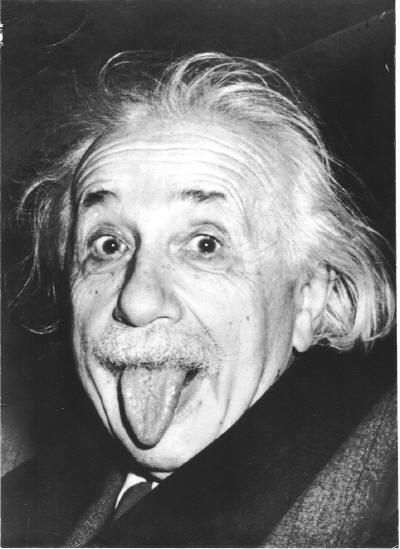
This explanation may have a chance at finding the secret. Maybe the first step into the discovery and exploration of the one earth but two world's concept could be a key to Marie's secret or secrets? There maybe some strong supporting evidence to help us understand the concept of living on one earth two worlds. The two world's one earth model is described by a best known and eminently successful scientist, Einstein, who speaks for himself both in a speech and in a picture worth a thousand words. It might be showing us that he may be in on one of Marie's secrets and he is about to share it with us? This picture is of him in one of his darkest moments when he was traveling through the outside world. His speech compares the two worlds from a scientist's perspective at a birthday party for another famous scientist Max Planck.
Hi Doctor Einstein how is it going?
He replies It may seem a bit over extended for some.......but some one once said " Try being a scientist in an average senior position for at least a year then pass on your feelings". ================================================== What was Marie's life or most any research workers life in real time? Real Real time hour by hour? can we find the secret here? Is it mostly boring, really boring. Does it have to few anxious moments, lots of anxious moments, is it too boring to dwell on in literature which is aimed at the public for their entertainment or is just a careful guarded secret? The top or first photo of Marie was taken about the time of her most really important discovery. A discovery of all times. The one that she is not given much if any credit for today, At the time of the discovery the scientific world recognized it and used it to forecast its ominously, the enormity of its importance to all living things. Her discovery sparked and seeded the reputation of dozens of the scientist of the day who themselves were given much credit from using it to expand their work on the atoms structure and to those who in the future still use It. Like her daughter, who she help train in the same field, which gave the opportunity for her daughter to also win a noble prize of her on in the same field. The now famous equation e=mc^2 that many have heard or seen is a byproduct of Marie's work. It helped developed one of the most important fields of science, Nuclear Physics. But what was this discovery? How did she make it ? Could this account for her two moods?. More than likely it could be the inward contemplations of the enormous energy she found in atoms. She discovered it during her work in radioactivity by using her experience in physics to interpret the observations that her fingers were warmed by her samples in the dish next to the wash bottle. Her samples were much warmer than the surrounds and they seem to be perpetually warm and getting warmer the higher the concentration of the unknown element she was purifying. From Marie's knowledge of physics and her acute observational skills she knew that this meant that there was enormous energy that must be stored in these tiny atoms. An energy that was later carefully and accurately measured by her best friend, her lover, and her husband all in one " Pierre" who was aided by an assistant. An energy that could be used to destroy millions of living things or save millions of living things. Maybe the third deduction of her farcical expression of mixed emotions can be expanded to include the mixed results of her journey as a graduate student later continuing on as a senor scientist, the raising a family in the other world that uses and misuse her work! always living between these very different worlds. One world only has a one way mirror as its window. "Authors Note" Emotions are critical to our decision making process in life. Especially when we are not privileged to accurate data to make these decision sound. So emotions are very very important and are to be richly cultivated. Back to the photo symbolizing her ever present wash bottle bisecting Marie face. One side is bright, cautiously hopeful and the other dark and foreboding. Look again at her photo what else do you see in this photo? A touch of blood on the edge of the dish?. The last but not the least deduction from looking at the photo of Marie is more of a question. Could Marie be hiding behind her instruments, from what, why? These are just some of the questions that could be important to ask our selves and get an answer by looking at her from a different perspective. a Nobel prize winning young lady who raised a Nobel prize winning daughter in both of the two worlds- two worlds-two worlds----.! |
|||